






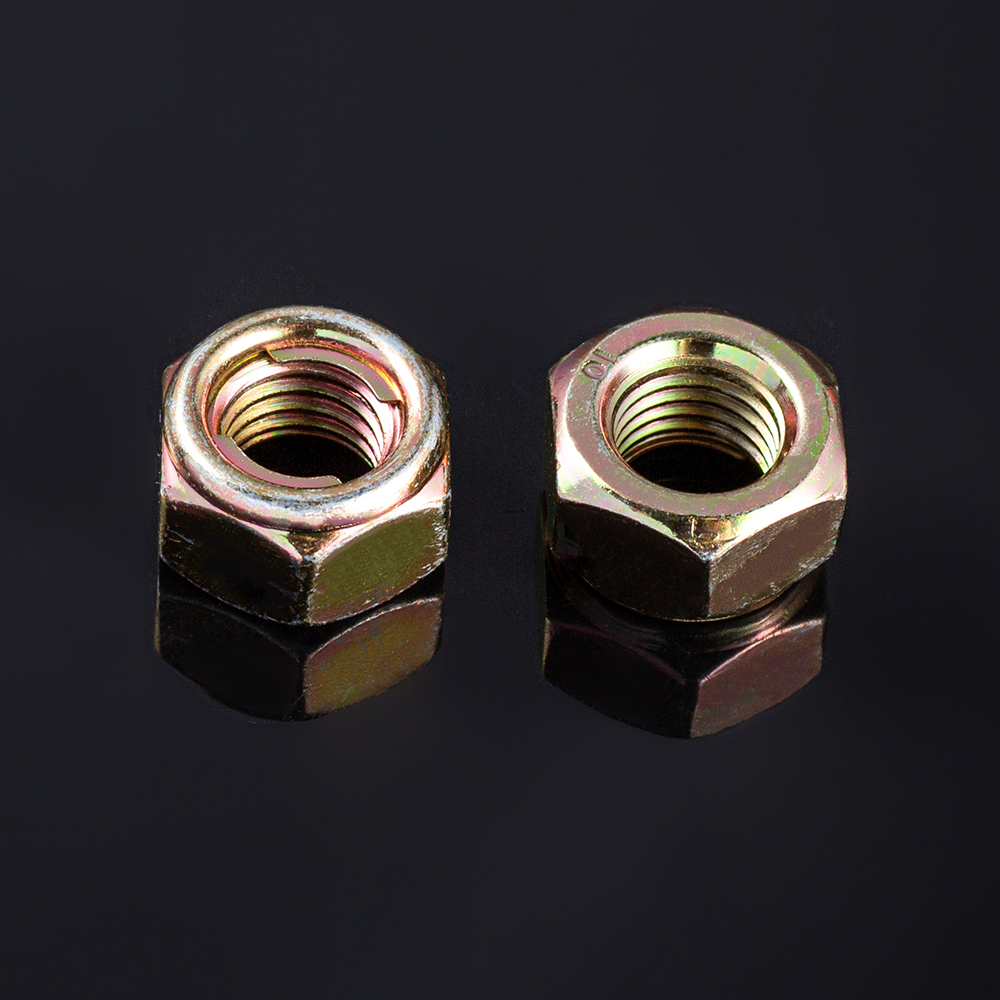




Bloccaggio radiale e assiale nelle ghiere di bloccaggio di precisione: quantificazione delle differenze nella resistenza alle vibrazioni e nella ritenzione del precarico
Negli assemblaggi di precisione come mandrini ad alta velocità, viti a ricircolo di sfere e sistemi di precarico dei cuscinetti, la scelta del meccanismo di bloccaggio per le ghiere di bloccaggio di precisione è fondamentale per l'affidabilità a lungo termine. Due design principali dominano il mercato: bloccaggio radiale (utilizzando inserti radiali o picchetti) e bloccaggio assiale (usando la deformazione elastica dei fili segmentati). Sebbene entrambi forniscano funzionalità anti-allentamento, le loro prestazioni sotto carichi trasversali ciclici differiscono in modo significativo. Questo articolo quantifica tali differenze sulla base di ricerche consolidate e dati di settore.
1. Panoramica del meccanismo di blocco
La tabella seguente riassume i principi di progettazione dei sistemi di bloccaggio radiale e assiale.
| Parametro | Bloccaggio radiale (ad es. ZM, YSR) | Bloccaggio assiale (ad es. AM, YSF, YSK) |
|---|---|---|
| Metodo di blocco | I perni di bloccaggio ad azione radiale o gli inserti in ottone intersecano il foro filettato; fissato tramite grani. I pioli si innestano sui fianchi della filettatura dell'albero. | I segmenti della chiocciola vengono deformati elasticamente tramite grani assiali. I fianchi della filettatura vengono premuti contro la filettatura dell'albero, creando attrito. |
| Precisione di eccentricità assiale | Tipicamente ≤ 0,005 mm (lavorato) o ≤ 0,002 mm (rettificato) | Paragonabile; il blocco non influisce sulla relazione faccia a filettatura |
| Requisiti di spazio assiale | Profilo più sottile disponibile (ad esempio, serie YSR) | Profilo standard; il bloccaggio assiale richiede una maggiore altezza del dado |
| Resilienza al carico d'urto | Buono; gli inserti temprati (HRC 28-32) resistono all'usura | Eccellente; la deformazione elastica assorbe e distribuisce i carichi d'urto |
2. Prestazioni quantitative sotto carichi trasversali ciclici
Le prestazioni anti-allentamento dei dadi di bloccaggio vengono valutate in modo più rigoroso in presenza di carichi trasversali ciclici, che sono noti per essere il principale fattore di auto-allentamento dei bulloni. La ricerca ha stabilito che la perdita di precarico e il microscorrimento tra i filetti impegnati sono i principali indicatori di guasto.
- Tasso di ritenzione del precarico: In condizioni identiche di precarico iniziale e carico trasversale, un dado standard può mantenere solo il 60–70% del suo precarico iniziale dopo cicli ripetuti. Al contrario, le ghiere di bloccaggio ad alte prestazioni hanno dimostrato rapporti di precarico residuo in media del 91,5% dopo 1.500 cicli di vibrazione trasversale.
- Comportamento al microscivolo: I carichi trasversali ciclici inducono microscorrimento all'interfaccia della filettatura. Mentre i dadi standard mostrano un accumulo irreversibile di microscorrimento che porta a una progressiva perdita di precarico, i design di bloccaggio avanzati mostrano una forte caratteristica di "recupero": precarico e microscorrimento ritornano quasi ai livelli originali quando il carico trasversale ritorna a zero.
- Rigidità del progetto: La capacità di mantenere una rigidità di progettazione stabile in condizioni di vibrazione dinamica è una caratteristica distintiva di dadi di bloccaggio di precisione . I design con bloccaggio radiale, in particolare, sono progettati per mantenere la rigidità fornendo allo stesso tempo un efficace anti-allentamento, rendendoli adatti per sistemi di fissaggio di precisione in macchine utensili e applicazioni aerospaziali.
3. Analisi comparativa: bloccaggio radiale e assiale
Sebbene i dati dei test diretti testa a testa per le ghiere di bloccaggio di precisione radiali e assiali siano limitati, la seguente analisi comparativa si basa sui dati disponibili nel settore e su principi meccanici consolidati.
| Metrica delle prestazioni | Bloccaggio radiale (ad es. ZM/YSR) | Bloccaggio assiale (ad esempio AM/YSK) |
|---|---|---|
| Ritenzione del precarico (carico trasversale) | Buono; il contatto localizzato dei picchetti di bloccaggio fornisce un attrito costante. Tuttavia, i picchetti potrebbero essere soggetti a usura nel corso di molti cicli. | Eccellente; la deformazione elastica a 360° crea un contatto uniforme sul fianco del filo, distribuendo i carichi e fornendo una resistenza superiore al microscorrimento. |
| Resistenza al carico d'urto | Buono; ma i carichi d'urto possono causare sollecitazioni localizzate sui perni o sugli inserti di bloccaggio. | Superiore; la deformazione elastica agisce come elemento smorzante, assorbendo i carichi d'urto senza deformazione permanente. |
| Riutilizzabilità | Completamente riutilizzabile; i picchetti di bloccaggio sono robusti e mantengono la loro geometria. | Completamente riutilizzabile se serrato uniformemente; un serraggio non uniforme può causare la deformazione del segmento. |
| Impatto assiale | Nessun impatto; il meccanismo di bloccaggio non influisce sulla precisione della faccia finale. | Nessun impatto; il metodo di bloccaggio non influisce sulla precisione di eccentricità assiale. |
| Vincoli di spazio | Preferito per applicazioni a profilo sottile in cui lo spazio assiale è limitato. | Richiede un'altezza del dado standard; non adatto per progetti con vincoli di spazio severi. |
4. Il ruolo del precarico iniziale
La ricerca sull'allentamento dei bulloni sotto carichi trasversali ha identificato un parametro critico che influenza entrambi i meccanismi: il livello di precarico iniziale. È stato dimostrato che un precarico iniziale più elevato migliora significativamente la ritenzione del precarico.
- Effetto grandezza precarico: Quando il precarico iniziale viene aumentato da 60 kN a 120 kN, la percentuale di precarico residuo sotto carichi trasversali ciclici è significativamente più elevata. Questo perché un precarico più elevato riduce il microscorrimento sull'interfaccia della filettatura.
- Implicazione pratica: Sia per i modelli con bloccaggio radiale che assiale, l'impostazione del precarico iniziale al valore massimo consentito dall'applicazione migliorerà le prestazioni anti-allentamento. Entrambi i modelli beneficiano equamente di questo principio, ma i modelli con bloccaggio assiale con un contatto della filettatura più uniforme possono ottenere risultati leggermente migliori a livelli di precarico equivalenti.
5. Prospettiva della produzione e della qualità
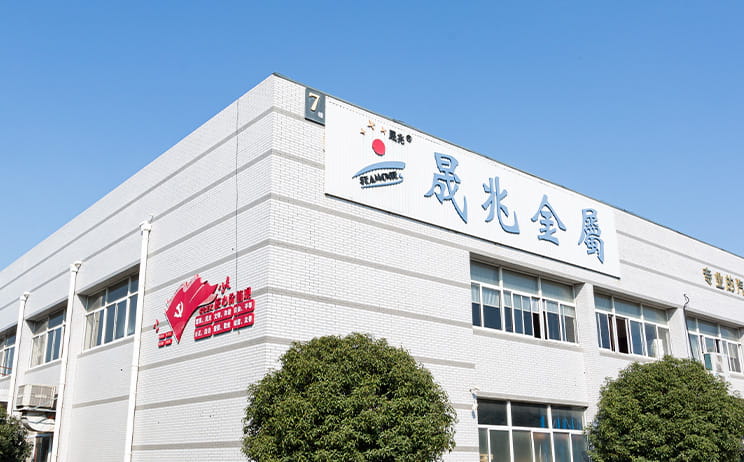
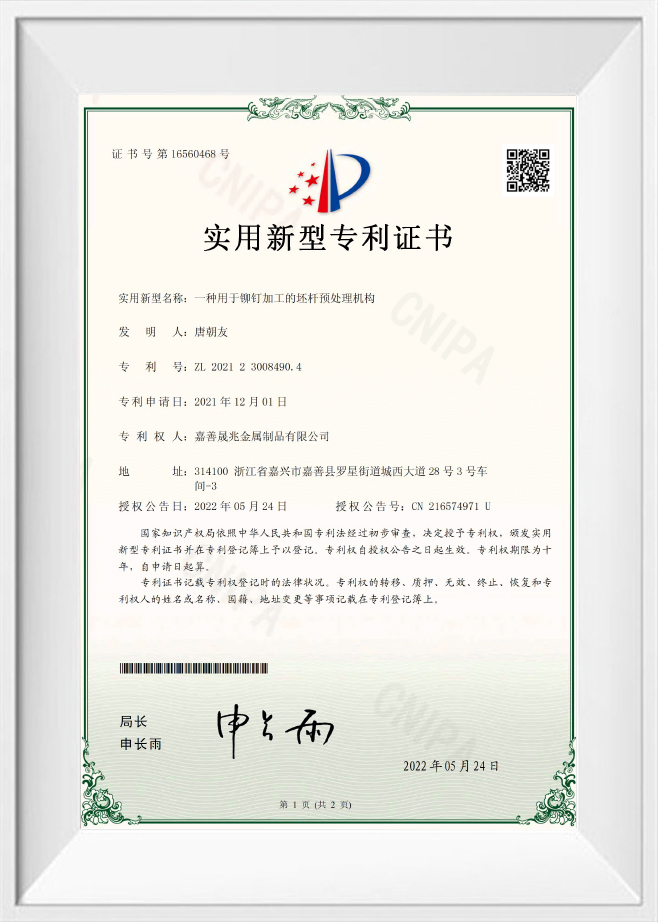
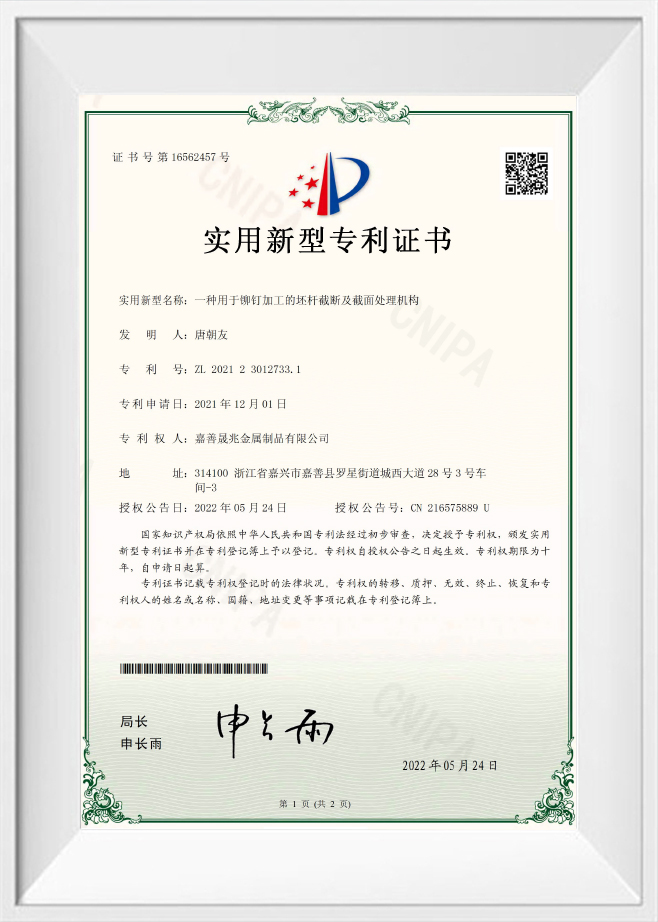
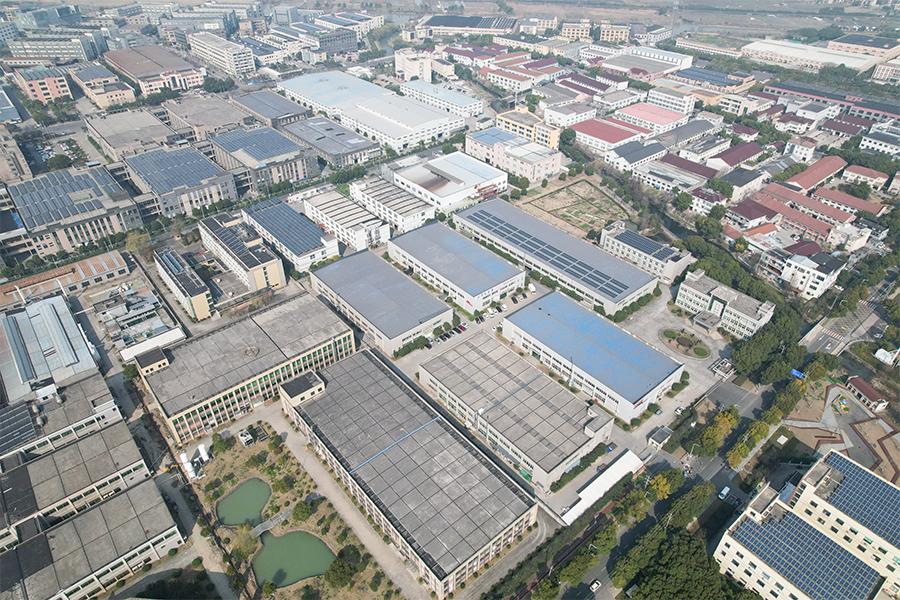
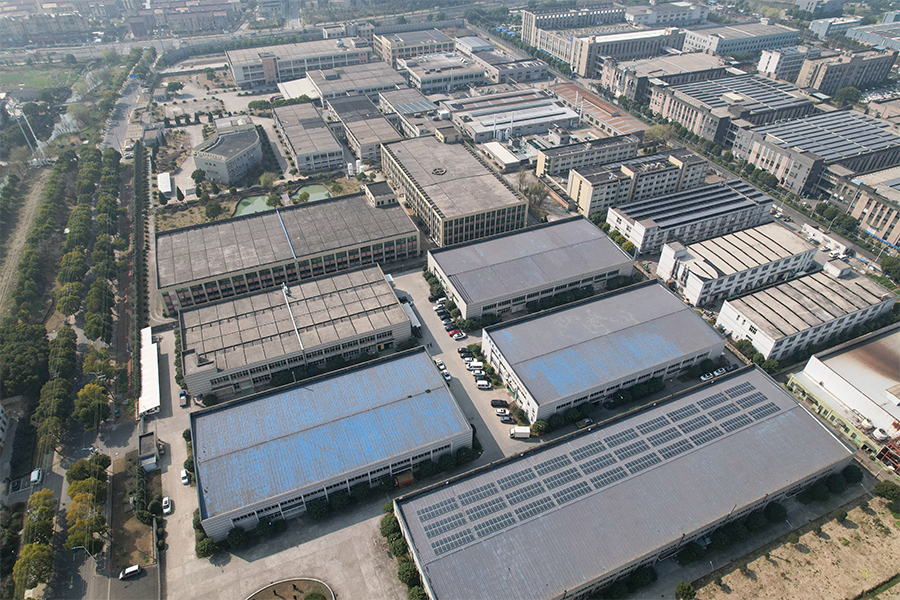
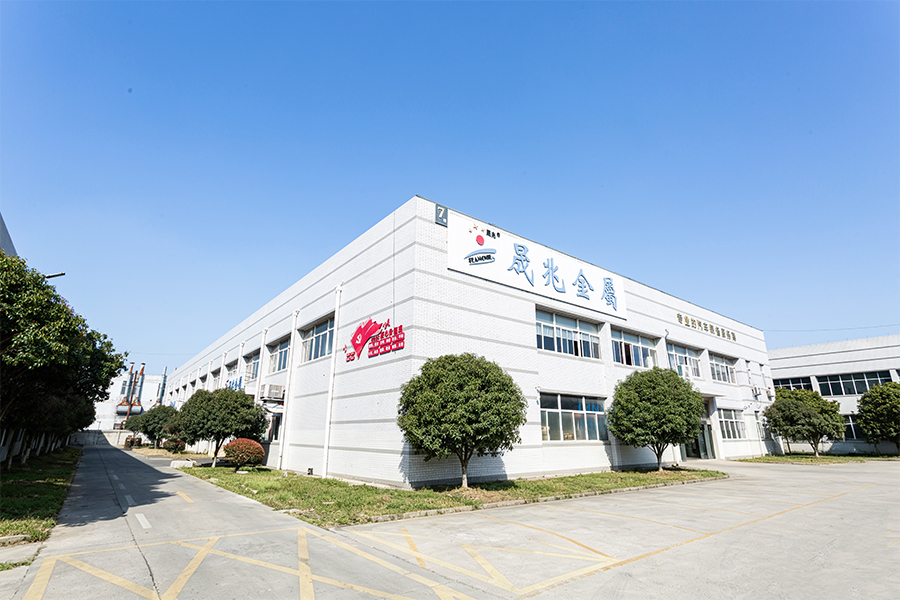
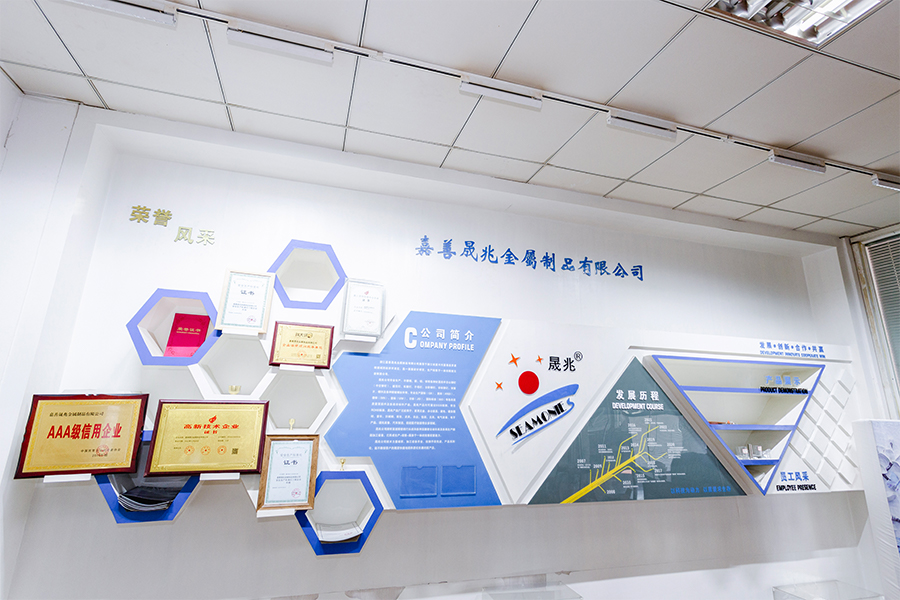
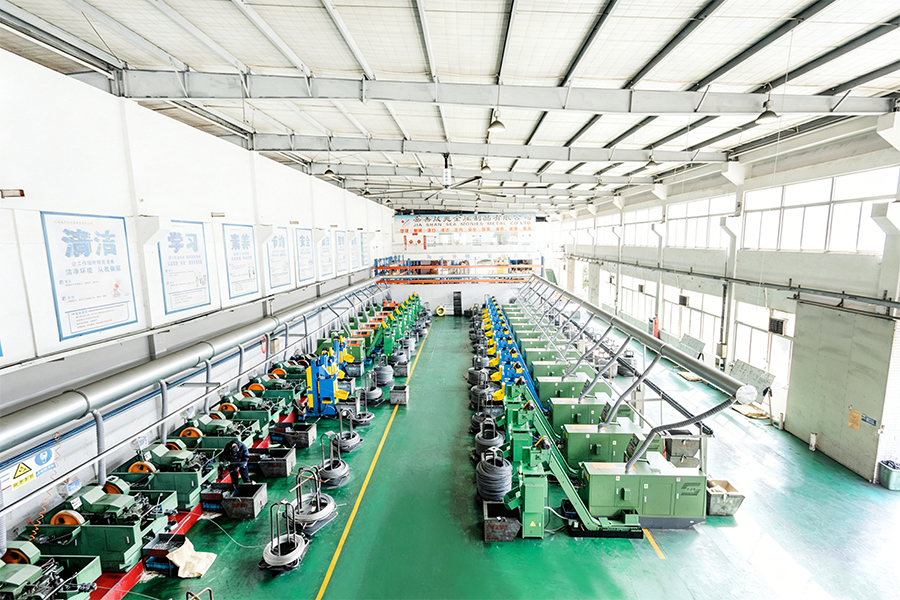
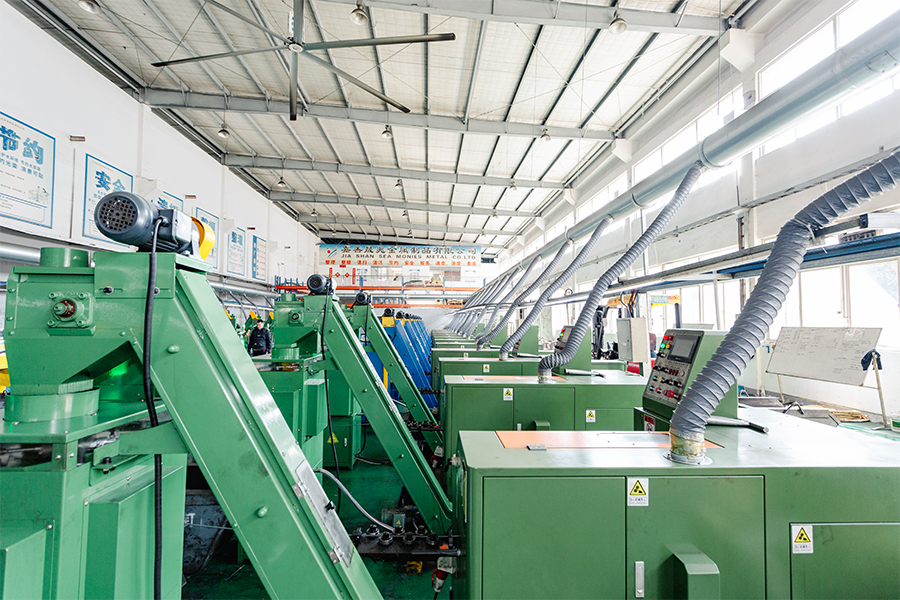
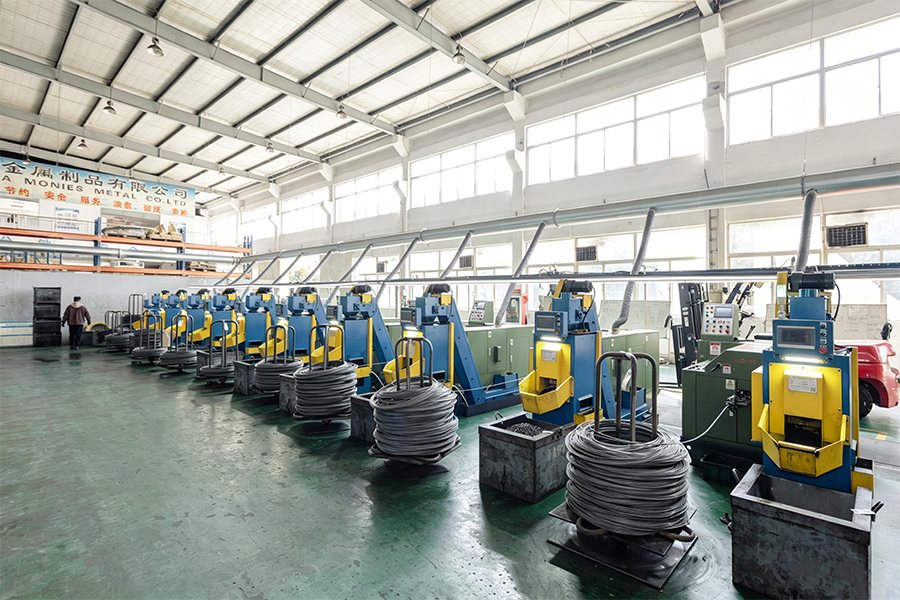
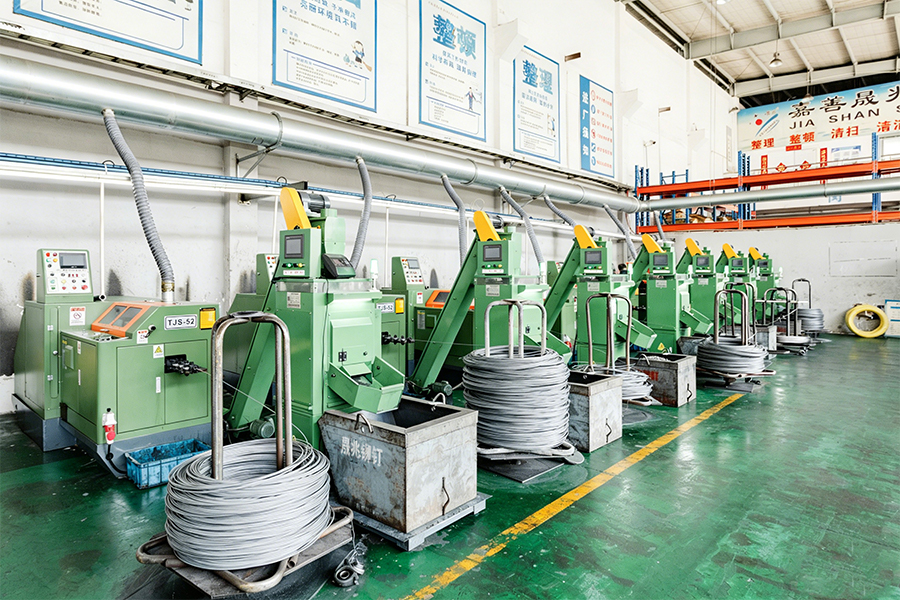
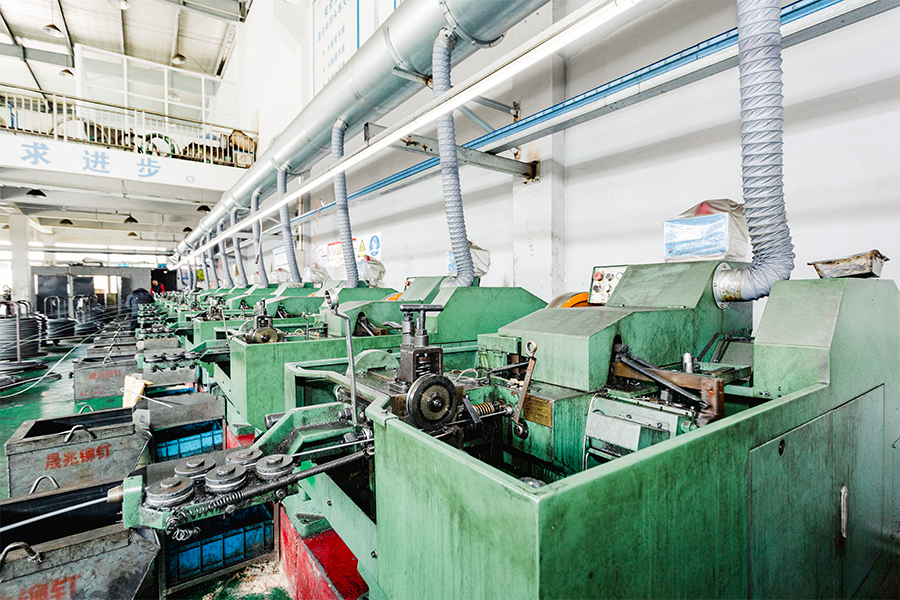
La precisione e la consistenza del meccanismo di bloccaggio, sia radiale che assiale, sono essenziali per garantire prestazioni affidabili. Zhejiang Chance & Union Import and Export Co., Ltd. (Chance & Union) è un'impresa a conduzione familiare sotto SEA Monies Metal Co., Ltd., che eredita 20 anni di esperienza familiare e patrimonio di qualità nella produzione di metalli. Facendo affidamento sulla forte capacità produttiva e sui vantaggi della catena di fornitura di Shengzhao Metal, siamo specializzati nella ricerca e sviluppo, nella produzione e nelle vendite globali di prodotti in metallo di alta qualità. Aderendo alla ricerca della precisione, all'atteggiamento lavorativo rigoroso e all'impegno a lungo termine della famiglia, forniamo prodotti e servizi stabili e affidabili a clienti in tutto il mondo.
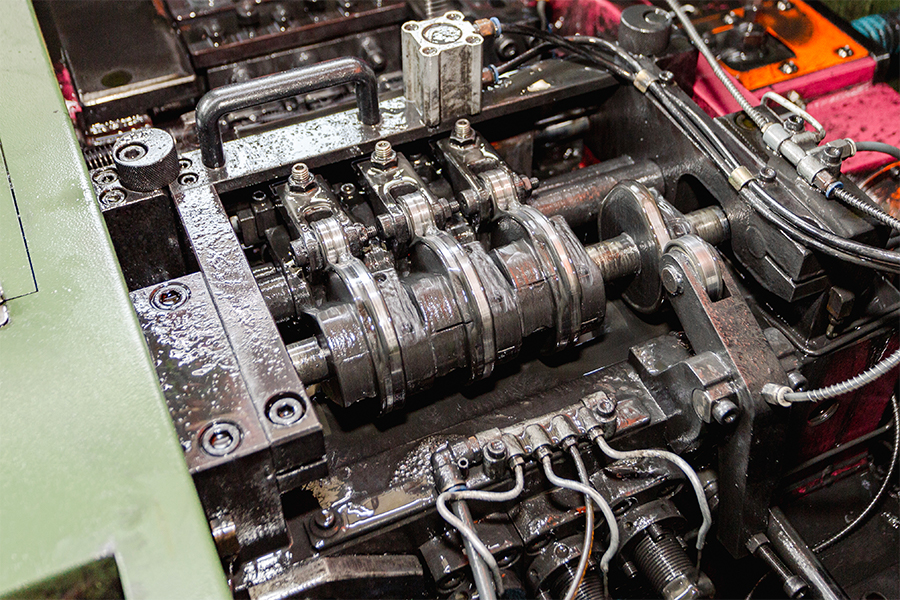
Sfruttando le solide capacità di ricerca e sviluppo e di produzione della fabbrica, siamo specializzati in rivetti, bulloni, dadi, rondelle, perni, viti e varie parti personalizzate non standard ad alta resistenza. La nostra gamma di prodotti copre materiali tra cui acciaio inossidabile, acciaio legato, lega di alluminio, rame e leghe speciali, utilizzando processi come ricalcatura a freddo, forgiatura a caldo e lavorazione CNC. I nostri prodotti vengono esportati in oltre 25 paesi, servendo più di 200 clienti.
Chance & Union si impegna a connettere perfettamente il "Prodotto in Cina" con il mercato internazionale, fornendo ai clienti globali soluzioni di fissaggio complete, dalla ricerca e sviluppo alla produzione di massa attraverso tecnologia professionale e qualità eccezionale. Per le ghiere di bloccaggio di precisione, forniamo la documentazione completa sui materiali e sulle prestazioni, compresi i rapporti sui test di eccentricità assiale e la verifica della durezza del materiale secondo gli standard HRC 28–32.
6. Domande frequenti (FAQ)
- D1: Quale meccanismo di bloccaggio, radiale o assiale, offre una migliore resistenza alle vibrazioni per le applicazioni con mandrini ad alta velocità?
R: Il bloccaggio assiale fornisce generalmente una resistenza alle vibrazioni superiore perché crea un contatto uniforme a 360° lungo i fianchi della filettatura, distribuendo i carichi in modo uniforme e riducendo il microscorrimento. Il bloccaggio radiale è più adatto per applicazioni a profilo sottile in cui lo spazio assiale è limitato, ma può essere più suscettibile all'usura in caso di vibrazioni sostenute di ampiezza elevata. Zhejiang Chance & Union Import and Export Co., Ltd. (Chance & Union) può consigliare il design ottimale in base al profilo di vibrazione specifico e ai vincoli di spazio. - D2: Quante volte è possibile riutilizzare una ghiera di bloccaggio di precisione senza compromettere le prestazioni?
R: I dadi di bloccaggio di precisione sono progettati per essere riutilizzati più volte se maneggiati correttamente. Per i dadi di bloccaggio assiali, assicurarsi che i grani siano serrati uniformemente in sequenza incrociata per evitare la deformazione del segmento. Per i dadi di bloccaggio radiali, controllare l'eventuale usura dei perni o degli inserti di bloccaggio prima del riutilizzo. Zhejiang Chance & Union Import and Export Co., Ltd. (Chance & Union) fornisce indicazioni sulla riutilizzabilità con ogni spedizione. - Q3: Il precarico iniziale influisce sulle prestazioni anti-allentamento del controdado?
R: Sì. La ricerca ha dimostrato che un precarico iniziale più elevato migliora significativamente la ritenzione del precarico sotto carichi trasversali ciclici riducendo il microscorrimento sull'interfaccia della filettatura. Tuttavia, il precarico non deve superare la resistenza allo snervamento del materiale. Zhejiang Chance & Union Import and Export Co., Ltd. (Chance & Union) può fornire gli intervalli di precarico consigliati per la tua applicazione specifica.
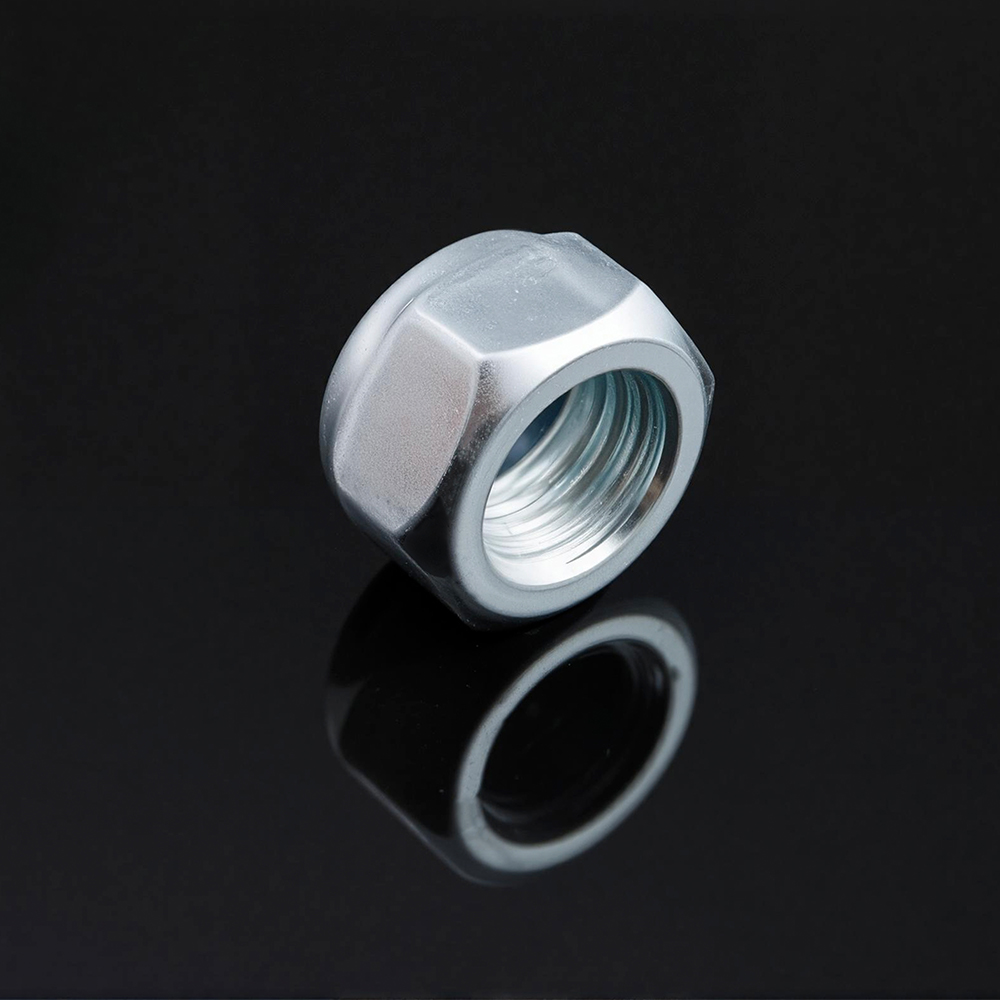
Dadi esagonali autobloccanti zincati a caldo: perché la coppia prevalente è inferiore del 30–50% rispetto ai dadi lubrificati con fosfato – Interferenza della filettatura o potere lubrificante della superficie?
Zincato a caldo (HDG) bloccare i dadi esagonali presentano costantemente una coppia prevalente inferiore rispetto ai dadi fosfatati e oliati con le stesse specifiche. Questa riduzione, tipicamente compresa tra il 30 e il 50%, non è un segno di qualità inferiore ma una conseguenza diretta delle proprietà fisiche e tribologiche del rivestimento. Le due spiegazioni principali sono interferenza del filo causato dallo spessore del rivestimento di zinco, e lubrificazione superficiale derivante dalle caratteristiche di attrito intrinseche del rivestimento HDG e dall'assenza di lubrificante.
1. Confronto dei meccanismi: interferenza della filettatura rispetto al potere lubrificante della superficie
La tabella seguente mette a confronto i due meccanismi principali che contribuiscono alla riduzione della coppia prevalente per i dadi esagonali di bloccaggio HDG.
| Parametro | Interferenza della filettatura (spessore del rivestimento) | Lubricità superficiale (coefficiente di attrito) |
|---|---|---|
| Meccanismo fisico | Il processo di zincatura a caldo aggiunge uno strato di lega di zinco a tutte le superfici del dado. Sulle filettature interne, ciò riduce il diametro minore e altera il profilo della filettatura, creando un accoppiamento con interferenza con il bullone di accoppiamento. La pratica standard prevede di maschiare dadi sovradimensionati dopo la zincatura per compensare questo accumulo. | Il rivestimento di zinco di un dado HDG ha un elevato coefficiente di attrito se utilizzato senza lubrificante. Al contrario, un rivestimento di fosfato è altamente poroso e assorbe l'olio, fornendo un'interfaccia a basso attrito tra le filettature. |
| Prove primarie | Lo spessore tipico del rivestimento HDG varia da 0,045 a 0,09 mm (1,8-3,5 mil) per lato. Per un dado maschiato dopo la zincatura, il gioco della filettatura viene ripristinato. Se non viene maschiata eccessivamente, l'interferenza della filettatura riduce il diametro primitivo effettivo e può causare difficoltà di assemblaggio. Tuttavia, la coppia prevalente non è semplicemente una funzione dell'interferenza: se il dado viene maschiato eccessivamente, l'interferenza è minima. | I dati del settore mostrano che il coefficiente di attrito per l'acciaio zincato a caldo senza lubrificazione è ≥ 0,30. In confronto, una superficie rivestita di fosfato e oliata rientra in una classe di attrito inferiore (0,08–0,16 per l'olio fosfatato). I rivestimenti fosfatici sono progettati specificatamente per trattenere l'olio, riducendo l'attrito e fornendo rapporti costanti di coppia-tensione. L'elevato attrito delle superfici HDG significa che una minore coppia applicata viene convertita in carico di serraggio e una maggiore viene assorbita per superare l'attrito della filettatura. |
| Fattori che influenzano | Uniformità dello spessore del rivestimento, classe della filettatura del bullone (ad esempio, 6 g per compatibilità con dadi 6H) e metodo di maschiatura del dado (prima o dopo la zincatura). I dadi sono generalmente zincati come pezzi grezzi e poi maschiati sovradimensionati per accogliere il rivestimento. | Presenza di lubrificanti, rugosità superficiale e tipo di rivestimento. I dadi HDG lubrificati (con MoS₂ o cera) possono raggiungere coefficienti di attrito fino a 0,04–0,16. Le superfici asciutte degli HDG rientrano nella classe di attrito più alta (≥0,30). |
| Impatto quantificato sulla coppia prevalente | Se il dado viene maschiato alla sovradimensione corretta dopo la zincatura, l'impatto sulla coppia prevalente è minimo. Tuttavia, se il dado non è sufficientemente maschiato, l'interferenza può aumentare significativamente la coppia richiesta per far scorrere il dado lungo il bullone, ma questo è un effetto separato dalla riduzione della coppia prevalente dopo il posizionamento. | L’elevato attrito di una superficie HDG asciutta (≥0,30) rispetto a una superficie oliata con fosfato (0,08–0,16) spiega la riduzione del 30–50% della coppia effettiva prevalente. L'elemento di bloccaggio del dado (ad esempio, inserto in nylon o filettature deformate) deve superare non solo la propria forza di bloccaggio ma anche l'attrito del rivestimento. Su una superficie a basso attrito, il meccanismo di bloccaggio fornisce una percentuale maggiore della coppia totale prevalente. |
| Strategia di mitigazione | Utilizzare dadi maschiati alla sovradimensione corretta dopo la zincatura, secondo ASTM A563. Assicurarsi che la classe della filettatura del bullone (ad esempio, 6g) sia compatibile con le specifiche del dado. | Applicare un lubrificante (ad esempio cera, olio o pasta MoS₂) alle filettature del dado prima dell'installazione. Per i dadi HDG, un lubrificante può ridurre il coefficiente di attrito nell'intervallo 0,04–0,16. Utilizzare dadi HDZ con un coefficiente di coppia di 0,35 e applicare la coppia al limite superiore dell'intervallo consigliato per compensare l'elevato coefficiente di coppia. |
2. Analisi dei meccanismi: quale meccanismo domina?
Per determinare quale meccanismo sia il principale motore della riduzione osservata del 30-50% della coppia prevalente, le prove devono essere attentamente valutate.
- Interferenza del filo è un problema significativo durante l'assemblaggio di elementi di fissaggio zincati. Il rivestimento di zinco può ridurre il diametro della filettatura interna al punto in cui il dado non può scorrere liberamente sul bullone. Tuttavia, la pratica standard per i dadi nelle applicazioni strutturali è quella di galvanizzarli come pezzi grezzi e quindi maschiare le filettature dopo la zincatura, rimuovendo lo zinco dalle superfici filettate per ripristinare il gioco. In questo caso l'interferenza viene eliminata. La riduzione della coppia prevalente osservata dopo l'assemblaggio, quindi, non è dovuta principalmente all'interferenza, ma alle proprietà di attrito del rivestimento.
- Lubrificazione superficiale è il fattore dominante. Il rivestimento di zinco di un elemento di fissaggio HDG ha un coefficiente di attrito ≥ 0,30 quando è asciutto. Questa è un'interfaccia ad alto attrito. Un dado rivestito in fosfato e oliato, al contrario, è progettato per un basso attrito; lo strato di fosfato funge da serbatoio per l'olio, fornendo un coefficiente di attrito molto più basso. La caratteristica di bloccaggio del dado (ad esempio, una filettatura deformata, un anello di nylon o un elemento di bloccaggio in metallo) deve superare sia l'attrito dell'interfaccia della filettatura che la propria coppia prevalente. Su una superficie HDG ad alto attrito, la funzione di bloccaggio contribuisce con una percentuale minore della coppia totale prevalente, determinando un valore misurato inferiore.
- Effetti sinergici: I due meccanismi sono correlati. Se un dado non viene maschiato correttamente dopo la zincatura, l'interferenza della filettatura può comportare una coppia di installazione più elevata e un grippaggio, in particolare se utilizzato con un bullone con un trattamento superficiale diverso. Tuttavia, per le ghiere HDG adeguatamente specificate e prodotte, la riduzione della coppia prevalente è in gran parte una funzione dell'elevato attrito del rivestimento di zinco.
3. Impatto quantificato del rivestimento sulla coppia
La tabella seguente fornisce un'analisi comparativa dei coefficienti di attrito e del loro impatto sulla coppia di serraggio.
| Superficie/Rivestimento | Intervallo del coefficiente di attrito | Coefficiente di coppia tipico dell'applicazione | Impatto sulla coppia prevalente |
|---|---|---|---|
| Olio fosfato | 0,08 – 0,16 | ~0,15 | La funzione di bloccaggio fornisce la maggior parte della coppia prevalente. |
| Zincato a caldo (a secco) | ≥ 0,30 | ~0,35 | L'elevato attrito della filettatura riduce il contributo relativo della funzione di bloccaggio, diminuendo la coppia prevalente del 30–50%. |
| Lubrificante zincato a caldo | 0,08 – 0,16 (with MoS₂ or wax) | Variabile | Il lubrificante ripristina un coefficiente di attrito inferiore, aumentando il contributo relativo della funzione di bloccaggio. |
4. Guida pratica per specificare e utilizzare i dadi esagonali di bloccaggio HDG
Per ottenere prestazioni affidabili dai dadi esagonali di bloccaggio zincati a caldo, si consigliano le seguenti pratiche:
- Specificare la corretta maschiatura del dado: Assicurarsi che i dadi siano specificati e prodotti per essere maschiati dopo la zincatura alla sovradimensione corretta. Ciò ripristina il gioco della filettatura e previene problemi di assemblaggio causati dallo spessore del rivestimento.
- Applicare un lubrificante: Per le applicazioni critiche in cui la coppia prevalente è essenziale, applicare un lubrificante (cera, olio o pasta MoS₂) alle filettature del dado prima dell'installazione. Ciò riduce il coefficiente di attrito e consente alla funzione di bloccaggio di funzionare in modo più efficace.
- Utilizza classi di thread compatibili: Assicurarsi che la classe della filettatura del bullone (ad esempio, 6g) sia compatibile con le specifiche del dado (ad esempio, 6H). Ciò è particolarmente importante per i dadi HDG, poiché il rivestimento può alterare l'effettivo adattamento della filettatura.
- Considera l'ambiente applicativo: Se il requisito di coppia prevalente è critico e il lubrificante non è consentito, prendere in considerazione l'utilizzo di un dado di bloccaggio interamente in metallo con un design di bloccaggio più aggressivo o un dado con un rivestimento diverso (ad esempio, un rivestimento in lamelle di zinco-alluminio con un lubrificante integrato).
5. Prospettiva della produzione e della qualità
La precisione del processo di maschiatura e la consistenza del rivestimento HDG sono essenziali per fornire ghiere di bloccaggio che funzionino come previsto. Zhejiang Chance & Union Import and Export Co., Ltd. (Chance & Union) è un'impresa a conduzione familiare sotto SEA Monies Metal Co., Ltd., che eredita 20 anni di esperienza familiare e patrimonio di qualità nella produzione di metalli. Facendo affidamento sulla forte capacità produttiva e sui vantaggi della catena di fornitura di Shengzhao Metal, siamo specializzati nella ricerca e sviluppo, nella produzione e nelle vendite globali di prodotti in metallo di alta qualità. Aderendo alla ricerca della precisione, all'atteggiamento lavorativo rigoroso e all'impegno a lungo termine della famiglia, forniamo prodotti e servizi stabili e affidabili a clienti in tutto il mondo.
Sfruttando le solide capacità di ricerca e sviluppo e di produzione della fabbrica, siamo specializzati in rivetti, bulloni, dadi, rondelle, perni, viti e varie parti personalizzate non standard ad alta resistenza. La nostra gamma di prodotti copre materiali tra cui acciaio inossidabile, acciaio legato, lega di alluminio, rame e leghe speciali, utilizzando processi come ricalcatura a freddo, forgiatura a caldo e lavorazione CNC. I nostri prodotti vengono esportati in oltre 25 paesi, servendo più di 200 clienti.
Chance & Union si impegna a connettere perfettamente il "Prodotto in Cina" con il mercato internazionale, fornendo ai clienti globali soluzioni di fissaggio complete, dalla ricerca e sviluppo alla produzione di massa attraverso tecnologia professionale e qualità eccezionale. Per i dadi esagonali di bloccaggio HDG, forniamo specifiche di maschiatura per garantire il corretto assemblaggio e possiamo applicare lubrificanti dove richiesto per ottenere la coppia prevalente necessaria e le prestazioni di carico di serraggio.
6. Domande frequenti (FAQ)
- Q1: Posso utilizzare un dado esagonale di bloccaggio zincato a caldo senza alcuna lubrificazione e ottenere comunque la coppia prevalente richiesta?
R: Sì, ma la coppia prevalente sarà inferiore del 30–50% rispetto a un dado lubrificato con fosfato a causa dell'elevato attrito del rivestimento di zinco. Per le applicazioni in cui la coppia prevalente è fondamentale e il lubrificante non è consentito, prendere in considerazione l'utilizzo di una ghiera con un rivestimento diverso o specificare una ghiera di bloccaggio con un design di bloccaggio più aggressivo. Zhejiang Chance & Union Import and Export Co., Ltd. (Chance & Union) può consigliare il rivestimento e il meccanismo di bloccaggio ottimali per le vostre esigenze specifiche. - Q2: Come dovrei specificare un dado zincato a caldo per garantire il corretto assemblaggio con un bullone zincato?
R: Specificare che i dadi devono essere zincati come pezzi grezzi e quindi maschiati dopo la zincatura alla sovradimensione appropriata. Inoltre, assicurarsi che la classe della filettatura del bullone (ad esempio, 6g) sia compatibile con le specifiche del dado. Per i collegamenti strutturali, seguire i requisiti di ASTM A563 per i dadi e ASTM A153 per il rivestimento della ferramenta. Zhejiang Chance & Union Import and Export Co., Ltd. (Chance & Union) fornisce specifiche dettagliate di rivestimento e maschiatura con ogni spedizione. - D3: Qual è il coefficiente di coppia consigliato da utilizzare per serrare i dadi esagonali di bloccaggio zincati a caldo?
R: Per gli elementi di fissaggio zincati a caldo senza un lubrificante specifico, si consiglia un coefficiente di coppia di 0,35, rispetto a 0,15 per gli elementi di fissaggio lubrificati o oliati con fosfato. Ciò riflette il maggiore attrito del rivestimento HDG. Se viene applicato un lubrificante (ad esempio MoS₂ o cera), il coefficiente può essere ridotto nell'intervallo 0,08–0,16. Zhejiang Chance & Union Import and Export Co., Ltd. (Chance & Union) fornisce dati di coppia-tensione per i nostri elementi di fissaggio in base al rivestimento specifico applicato.





