










Quali materiali sono comunemente utilizzati per i rivetti cavi e in che modo influiscono sulle loro prestazioni?
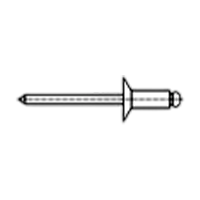
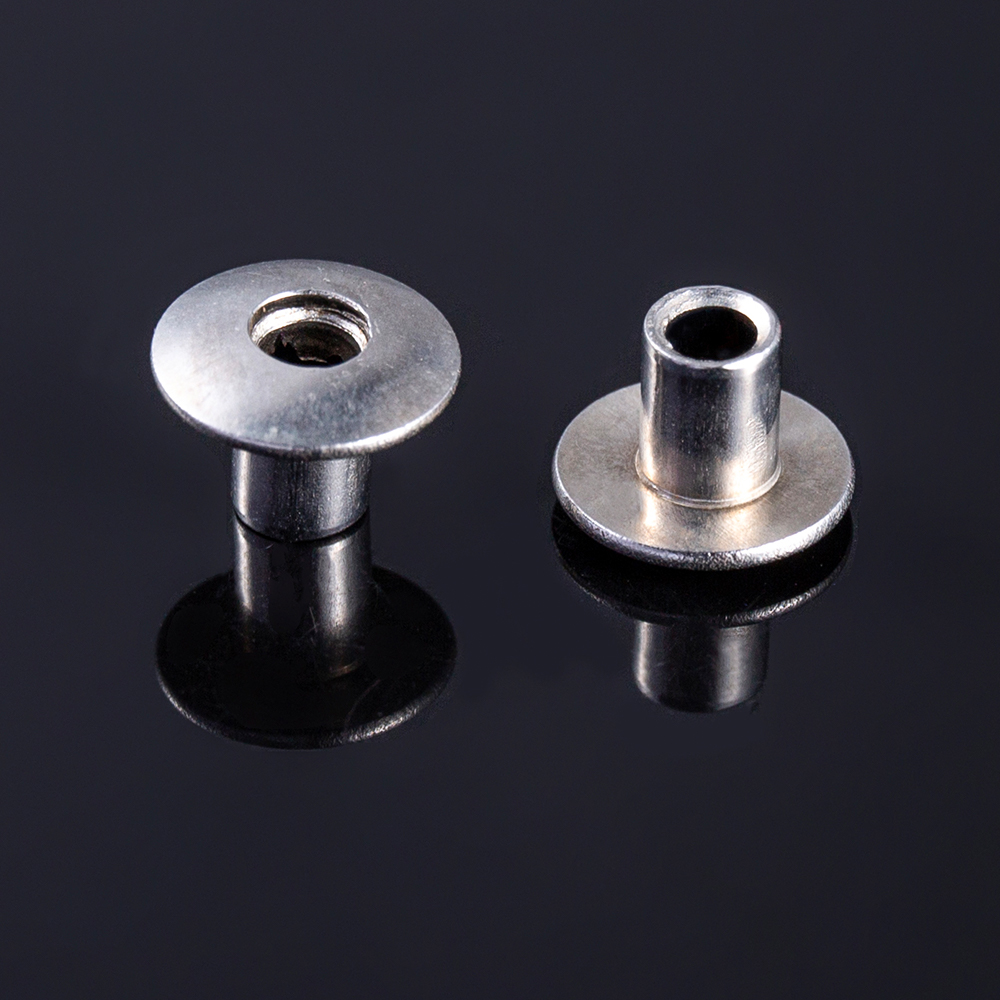
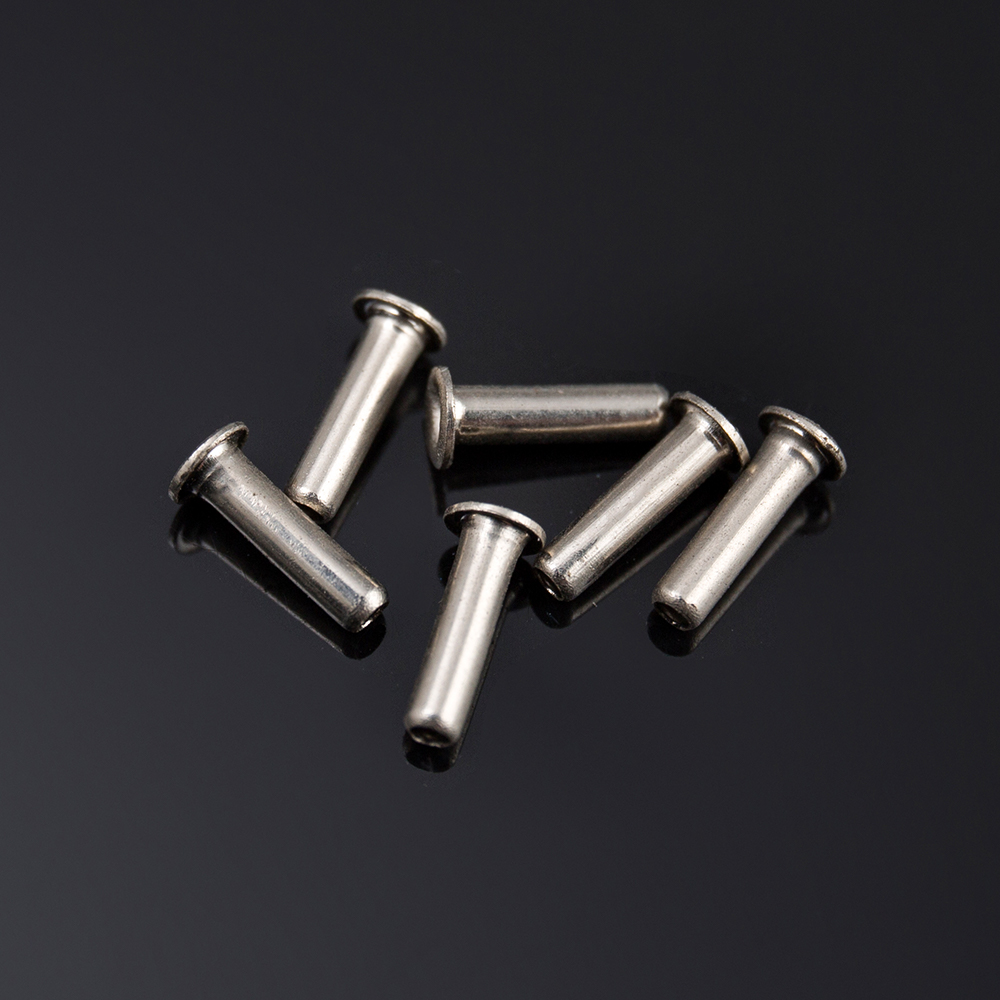
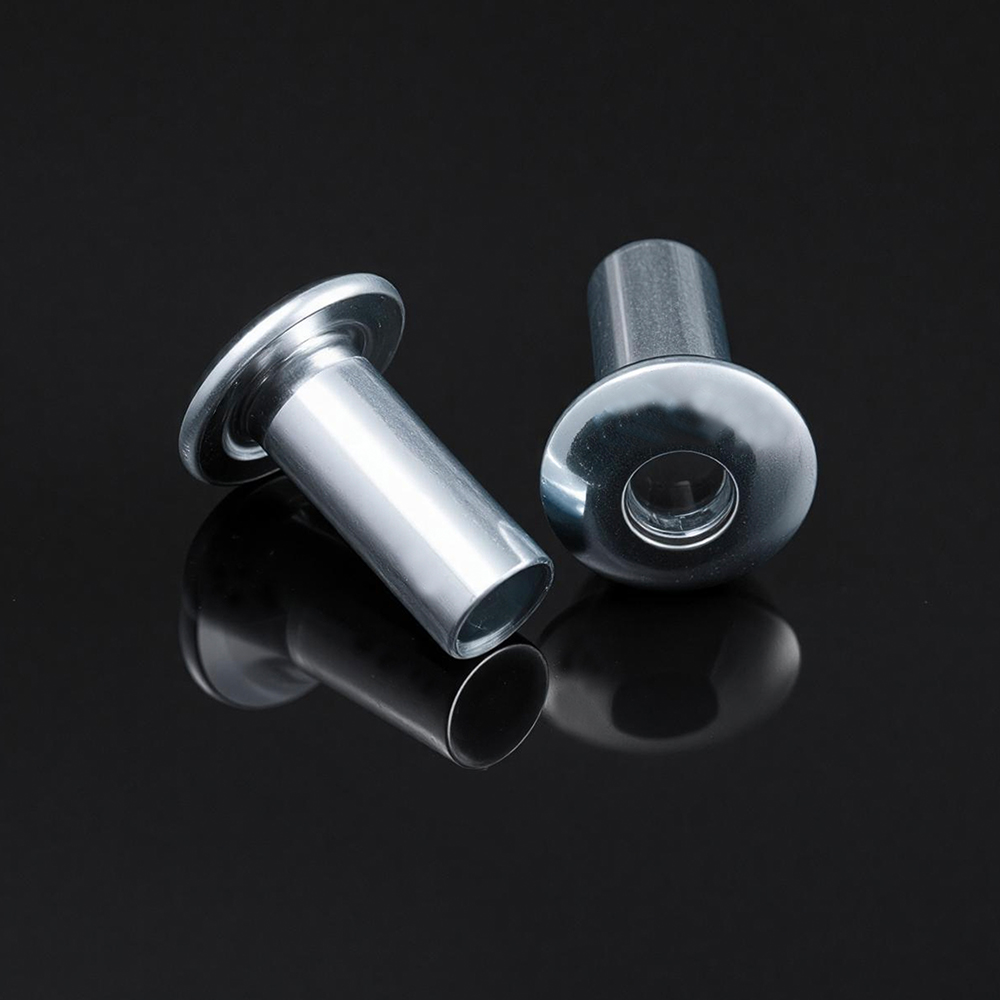
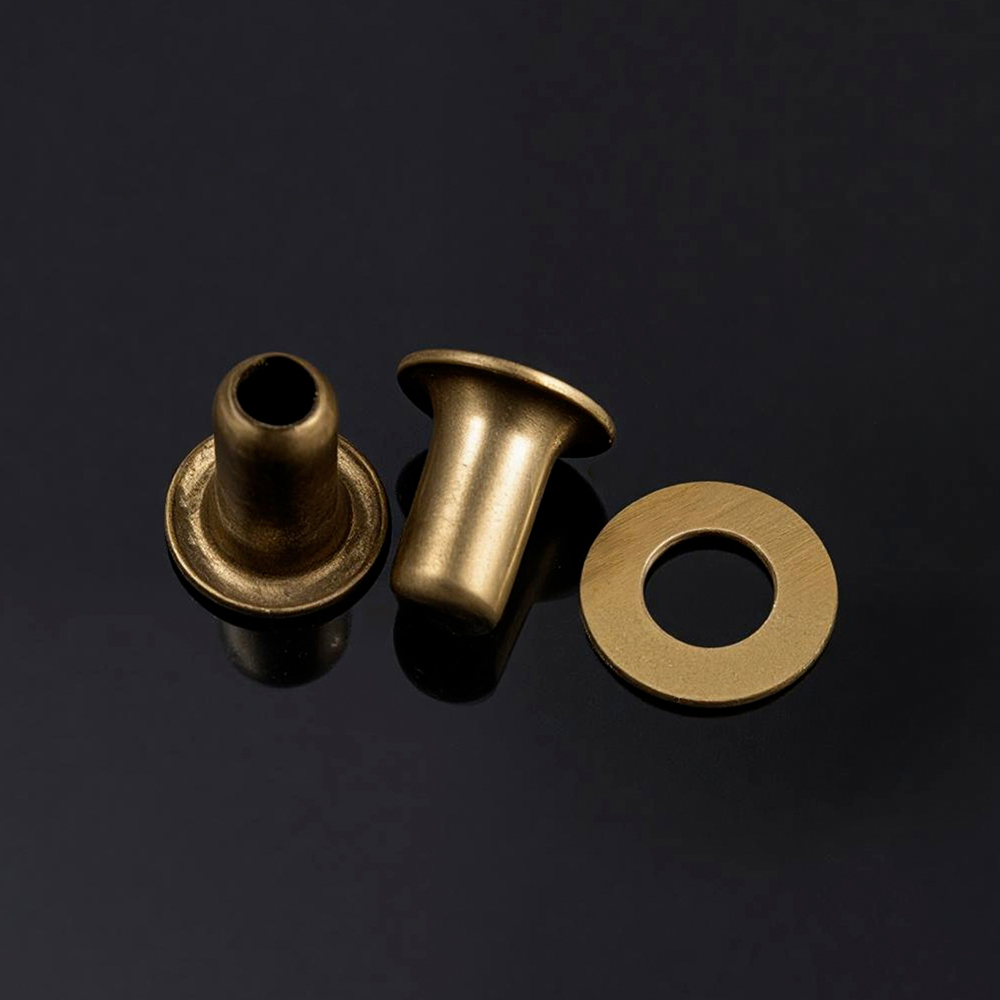
Rivetti cavi sono componenti di fissaggio realizzati con una sezione cava all'interno del corpo del rivetto, che consente una deformazione più semplice durante l'installazione mantenendo prestazioni di connessione affidabili. Il materiale selezionato per i rivetti cavi influisce direttamente sulla loro resistenza meccanica, resistenza alla corrosione, peso, durata e idoneità a diversi ambienti industriali.
Nella produzione moderna, la selezione dei materiali è un fattore critico quando si progettano soluzioni di fissaggio. Settori diversi richiedono caratteristiche prestazionali diverse, come struttura leggera, elevata capacità di carico, resistenza alla corrosione o stabilità a lungo termine in funzionamento continuo. Pertanto, gli ingegneri devono valutare le condizioni di applicazione prima di selezionare i materiali adatti per i rivetti cavi.
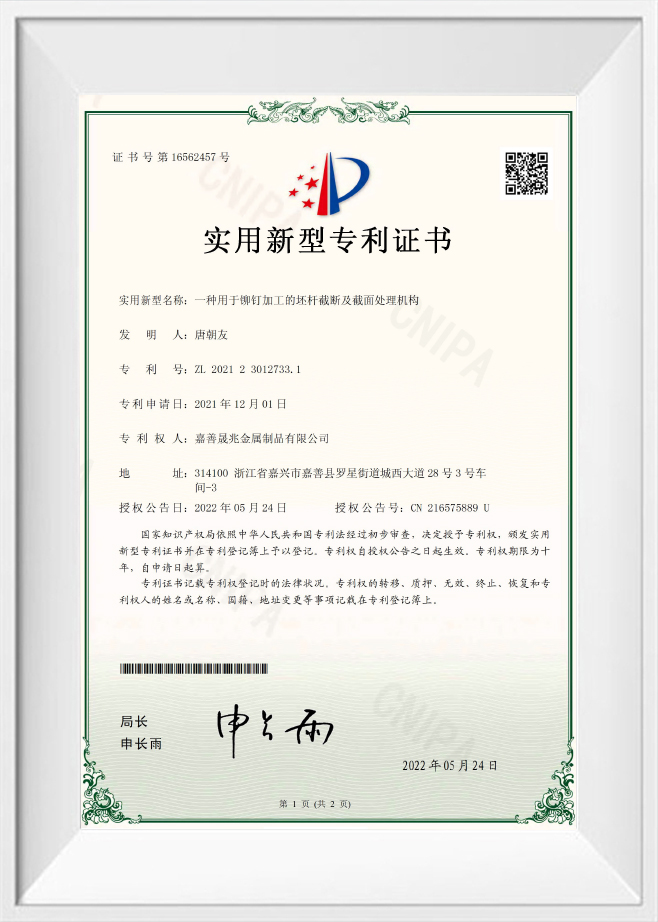
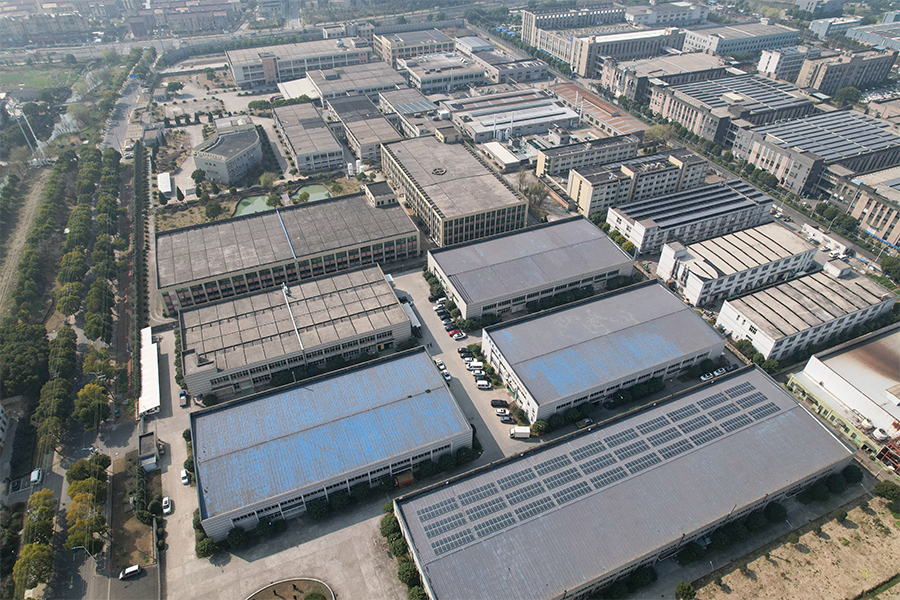
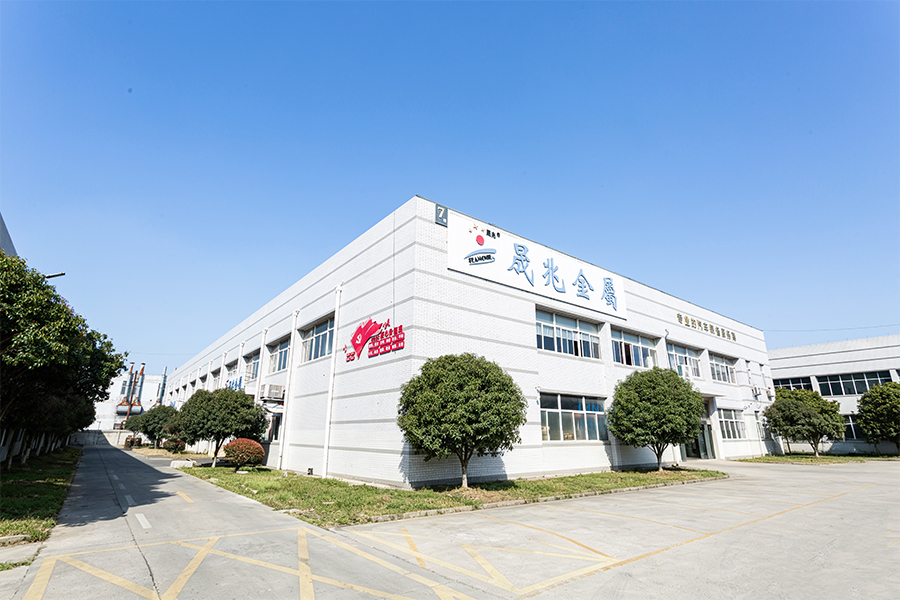
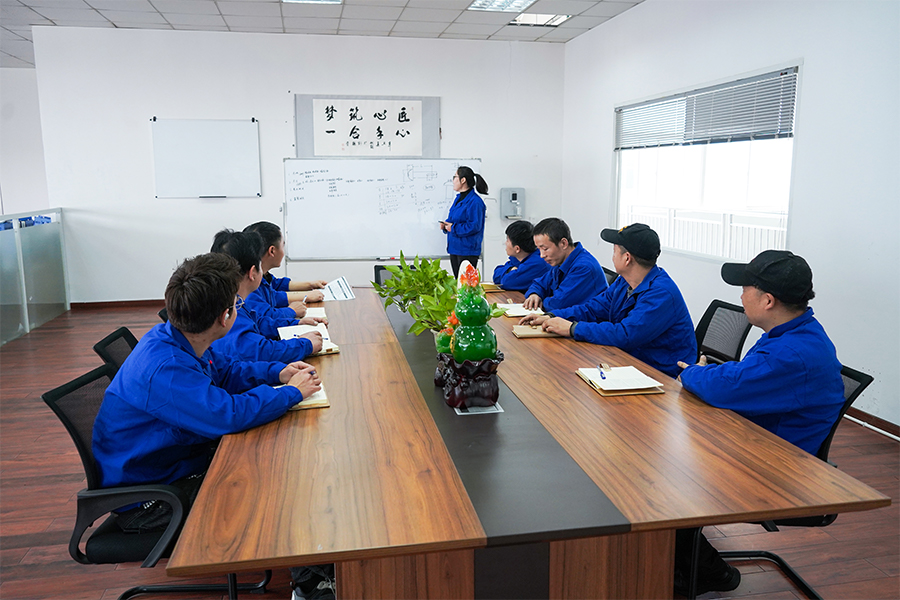
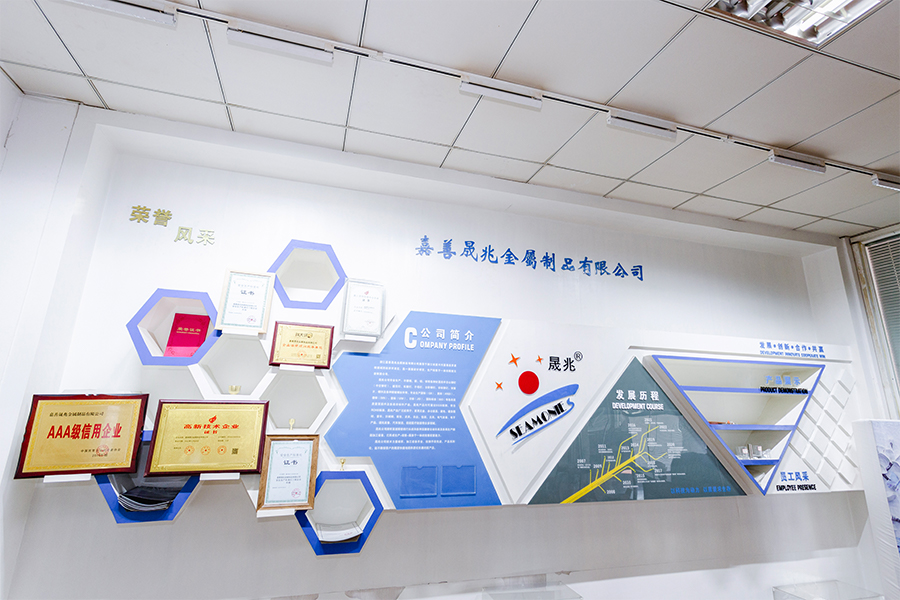
Zhejiang Chance & Union Import and Export Co., Ltd. (Chance & Union) è specializzata in viteria ad alta resistenza. L'azienda offre bulloni, dadi, rondelle e parti personalizzate realizzate in acciaio inossidabile, acciaio legato e altro ancora, servendo oltre 200 clienti in 25 paesi. Con 20 anni di esperienza nel settore, Zhejiang Chance & Union Import and Export Co., Ltd. (Chance & Union) fornisce soluzioni di fissaggio su misura dalla ricerca e sviluppo alla produzione di massa.
Per applicazioni industriali che richiedono strutture leggere e prestazioni di fissaggio affidabili, rivetti cavi fornire soluzioni flessibili con diverse opzioni di materiali per soddisfare vari requisiti ingegneristici.
Perché la selezione del materiale è importante per i rivetti cavi
Le prestazioni dei rivetti cavi dipendono fortemente dalle caratteristiche fisiche e meccaniche del materiale selezionato. Poiché i rivetti cavi sono progettati per deformarsi durante l'installazione, il materiale deve fornire un equilibrio adeguato tra resistenza e capacità di formatura.
I fattori chiave per la selezione dei materiali includono:
- Resistenza meccanica: Determina la capacità portante del rivetto dopo l'installazione.
- Duttilità: Influisce sulla facilità con cui il rivetto può essere formato senza rompersi o rompersi.
- Resistenza alla corrosione: Influenza la durata di servizio in diversi ambienti.
- Peso: Importante per le applicazioni che richiedono strutture leggere.
- Resistenza alla temperatura: Determina l'idoneità per condizioni operative ad alta temperatura.
Materiali comuni utilizzati per i rivetti cavi
Diversi materiali vengono selezionati in base ai requisiti applicativi. Le opzioni di materiale più comuni includono acciaio inossidabile, acciaio legato, acciaio al carbonio e lega di alluminio.
| Tipo materiale | Caratteristiche principali | Vantaggi prestazionali | Requisiti tipici dell'applicazione |
| Acciaio inossidabile | Buona resistenza alla corrosione e proprietà meccaniche stabili | Lunga durata e durabilità ambientale | Applicazioni esposte a umidità, sostanze chimiche o condizioni esterne |
| Acciaio legato | Elevata resistenza ed eccellenti prestazioni meccaniche | Forte capacità di carico | Assemblaggi industriali che richiedono maggiore resistenza |
| Acciaio al carbonio | Forza equilibrata ed efficienza di lavorazione | Conveniente e adatto per applicazioni generali | Requisiti generali di fissaggio industriale |
| Lega di alluminio | Leggero con buona resistenza alla corrosione | Riduce il peso complessivo dei componenti | Applicazioni che richiedono strutture leggere |
Rivetti cavi in acciaio inossidabile
L'acciaio inossidabile è ampiamente selezionato per i rivetti cavi quando la resistenza alla corrosione e la durata a lungo termine sono importanti. Le sue proprietà meccaniche stabili lo rendono adatto per applicazioni esposte a umidità, sostanze chimiche o condizioni ambientali mutevoli.
I vantaggi dei rivetti cavi in acciaio inossidabile includono:
- Forte resistenza alla corrosione
- Buona durabilità della superficie
- Prestazioni stabili in ambienti esigenti
- Adatto per uso industriale a lungo termine
| Fattore di prestazione | Acciaio inossidabile Hollow Rivets | Rivetti cavi in acciaio generico |
| Resistenza alla corrosione | Elevata resistenza all'esposizione ambientale | Richiede protezione aggiuntiva in ambienti corrosivi |
| Durabilità | Adatto per il funzionamento a lungo termine | Dipende dalla protezione della superficie e dall'ambiente |
| Ambiente applicativo | Adatto a condizioni impegnative | Adatto per applicazioni industriali generali |
Rivetti cavi in acciaio legato
I rivetti cavi in acciaio legato vengono selezionati quando è richiesta una maggiore resistenza meccanica. Gli elementi in lega migliorano le proprietà del materiale e consentono ai rivetti di resistere a carichi più elevati e sollecitazioni meccaniche.
Le caratteristiche principali includono:
- Maggiore resistenza alla trazione
- Resistenza all'usura migliorata
- Migliori prestazioni sotto stress meccanico
- Adatto per applicazioni gravose
| Requisito prestazionale | Acciaio legato Hollow Rivets | Lega di alluminio Hollow Rivets |
| Capacità di forza | Prestazioni di carico più elevate | Resistenza inferiore con vantaggio di leggerezza |
| Peso | Maggiore densità del materiale | Peso complessivo inferiore |
| Vantaggio primario | Durabilità meccanica | Peso reduction |
Rivetti cavi in acciaio al carbonio
L'acciaio al carbonio è comunemente utilizzato per i rivetti cavi perché fornisce un equilibrio tra resistenza, producibilità ed efficienza produttiva. È adatto per applicazioni in cui l'estrema resistenza alla corrosione non è il requisito principale.
I rivetti cavi in acciaio al carbonio sono comunemente usati per:
- Attrezzature industriali generali
- Assemblaggi meccanici
- Collegamenti dei componenti metallici
- Applicazioni di produzione di grandi volumi
Rivetti cavi in lega di alluminio
I rivetti cavi in lega di alluminio sono preferiti nelle applicazioni in cui la riduzione del peso è importante. Le loro caratteristiche leggere li rendono adatti per le industrie che richiedono un utilizzo efficiente dei materiali pur mantenendo prestazioni di fissaggio affidabili.
I principali vantaggi includono:
- Basso peso del materiale
- Buona resistenza alla corrosione
- Installazione semplice grazie alla massa ridotta
- Adatto per strutture leggere
In che modo i materiali influiscono sulle prestazioni del rivetto cavo
Il materiale di un rivetto cavo determina le sue prestazioni durante l'installazione e il funzionamento. Gli ingegneri devono considerare sia i requisiti di installazione che le condizioni di servizio a lungo termine.
| Proprietà materiale | Impatto sulle prestazioni del rivetto cavo |
| Forza | Influisce sulla capacità di resistere a carichi esterni e sollecitazioni meccaniche |
| Duttilità | Influisce sulla qualità della deformazione durante l'installazione |
| Resistenza alla corrosione | Determina l'idoneità per ambienti difficili |
| Peso | Influisce sul peso complessivo dell'assieme |
| Resistenza alla temperatura | Influisce sulle prestazioni nelle applicazioni ad alta temperatura |
Guida alla selezione dei materiali per diverse applicazioni industriali
| Requisito dell'applicazione | Considerazione sui materiali consigliati | Motivo principale |
| Elevata resistenza alla corrosione | Acciaio inossidabile | Fornisce una migliore durabilità ambientale |
| Carico meccanico elevato | Acciaio legato | Fornisce prestazioni di resistenza più elevate |
| Peso Reduction | Lega di alluminio | Riduce il peso complessivo della struttura |
| Uso industriale generale | Acciaio al carbonio | Bilancia forza ed efficienza produttiva |
In che modo Zhejiang Chance & Union supporta le soluzioni di rivetti cavi
Zhejiang Chance & Union Import and Export Co., Ltd. (Chance & Union) si concentra sulla fornitura di soluzioni di fissaggio personalizzate per applicazioni industriali. Con esperienza negli elementi di fissaggio ad alta resistenza, l'azienda offre bulloni, dadi, rondelle e parti personalizzate realizzate in acciaio inossidabile, acciaio legato e altri materiali.
Grazie a 20 anni di esperienza nel settore, Zhejiang Chance & Union Import and Export Co., Ltd. (Chance & Union) supporta i clienti dalla ricerca e sviluppo alla produzione di massa, aiutando a sviluppare componenti di fissaggio che soddisfano requisiti specifici di resistenza, durata e prestazioni applicative.
Domande frequenti sui materiali per rivetti cavi
1. Qual è il materiale più adatto per i rivetti cavi?
Il materiale più adatto dipende dai requisiti dell'applicazione, comprese le condizioni di carico, l'esposizione ambientale, i requisiti di peso e le aspettative di durabilità. L'acciaio inossidabile, l'acciaio legato, l'acciaio al carbonio e la lega di alluminio sono comunemente selezionati in base alle diverse esigenze prestazionali. Zhejiang Chance & Union Import and Export Co., Ltd. (Chance & Union) fornisce soluzioni di fissaggio personalizzate utilizzando materiali diversi per soddisfare le esigenze industriali.
2. In che modo la selezione del materiale influisce sulle prestazioni del rivetto cavo?
La selezione del materiale influisce sulla robustezza, sulla resistenza alla corrosione, sulle prestazioni di installazione e sulla durata. Ad esempio, l’acciaio inossidabile offre una migliore resistenza alla corrosione, mentre l’acciaio legato offre una maggiore resistenza meccanica. Zhejiang Chance & Union Import and Export Co., Ltd. (Chance & Union) è specializzato in elementi di fissaggio ad alta resistenza e parti personalizzate realizzate in acciaio inossidabile, acciaio legato e altro ancora.
3. Perché scegliere Zhejiang Chance & Union per soluzioni di rivetti cavi personalizzati?
Zhejiang Chance & Union Import and Export Co., Ltd. (Chance & Union) fornisce soluzioni di fissaggio su misura dalla ricerca e sviluppo alla produzione di massa. Con 20 anni di esperienza nel settore, l'azienda serve oltre 200 clienti in 25 paesi e si concentra sulla fornitura di componenti di fissaggio affidabili in base ai requisiti specifici delle applicazioni industriali.





