









Le rondelle metalliche industriali possono migliorare la sicurezza strutturale delle attrezzature pesanti?
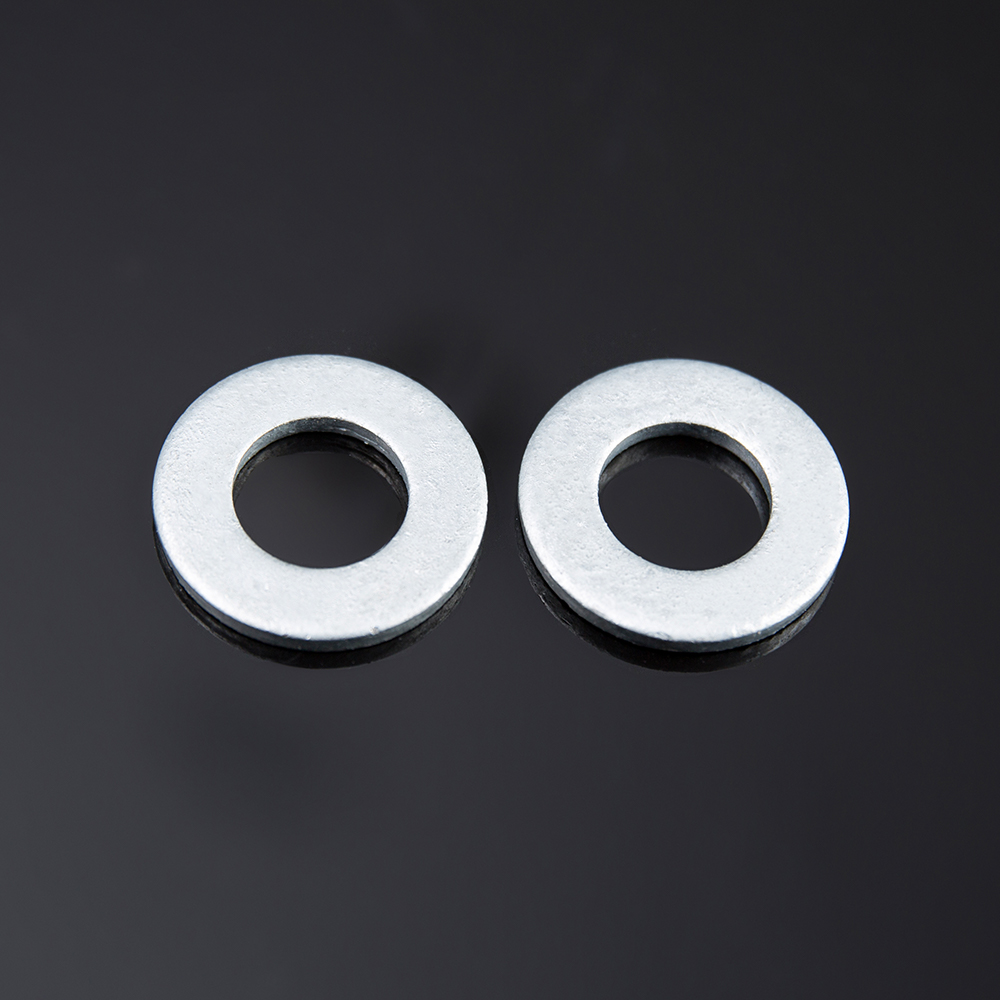
Le attrezzature pesanti operano in condizioni impegnative in cui vibrazioni, carichi d'urto, fluttuazioni di temperatura e sollecitazioni meccaniche continue mettono alla prova ogni punto di fissaggio. Anche se bulloni e dadi spesso ricevono la massima attenzione, rondelle metalliche industriali sono componenti altrettanto importanti che influenzano in modo significativo la stabilità della connessione e l’integrità strutturale. Le rondelle opportunamente selezionate distribuiscono le forze di serraggio, riducono lo stress localizzato, proteggono le superfici di contatto e aiutano a mantenere il precarico durante il funzionamento a lungo termine.
Perché le rondelle metalliche industriali sono fondamentali nelle attrezzature pesanti?
Le attrezzature pesanti sono soggette a carichi dinamici ripetuti anziché alla sola forza statica. Ogni movimento, vibrazione o urto crea sollecitazioni variabili sui giunti bullonati.
Senza rondelle adeguate i sistemi di fissaggio potrebbero subire:
- Concentrazione del carico non uniforme
- Rientranza della superficie
- Allentamento del bullone causato dalle vibrazioni
- Precarico ridotto
- Rottura prematura per fatica
- Danni ai componenti strutturali
Le rondelle metalliche industriali creano una superficie di appoggio stabile tra l'elemento di fissaggio e il materiale collegato. Questa area di contatto più ampia distribuisce la pressione di serraggio in modo più uniforme, riducendo la deformazione localizzata e migliorando l'affidabilità dell'intera connessione.
Invece di funzionare come semplici distanziatori, le rondelle moderne agiscono come componenti strutturali di gestione del carico che proteggono sia gli elementi di fissaggio che le attrezzature.
In che modo le rondelle per carichi pesanti migliorano la sicurezza strutturale?
La sicurezza strutturale dipende dal mantenimento della sicurezza dei giunti per tutta la vita utile dell'apparecchiatura.
Le rondelle per carichi pesanti contribuiscono a ridurre al minimo diversi meccanismi di guasto comuni.
| Funzione | Vantaggio per la sicurezza | Applicazioni tipiche |
|---|---|---|
| Distribuzione del carico | Previene un eccessivo stress superficiale | Telai strutturali |
| Protezione della superficie | Riduce la rientranza e l'usura | Assemblaggi in acciaio |
| Resistenza alle vibrazioni | Aiuta a mantenere il precarico del bullone | Attrezzature minerarie |
| Supporto per l'allineamento | Migliora la precisione del fissaggio | Basi di macchinari |
| Riduzione dello stress | Riduce al minimo la concentrazione della fatica | Sistemi meccanici pesanti |
Queste funzioni diventano sempre più preziose quando le apparecchiature funzionano in condizioni di vibrazioni continue o carichi ciclici.
La scelta corretta delle rondelle migliora inoltre la coerenza della coppia durante l'installazione, consentendo ai bulloni di ottenere forze di serraggio più prevedibili.
Perché la distribuzione del carico è così importante?
I giunti bullonati concentrano un'enorme forza sotto le teste dei bulloni e i dadi.
Senza area di appoggio sufficiente:
- Le piastre in acciaio potrebbero deformarsi.
- Le superfici rivestite potrebbero rompersi.
- I componenti in alluminio possono subire rientranze permanenti.
- Il precarico del bullone diminuisce gradualmente.
Le rondelle strutturali aumentano la superficie di contatto effettiva, distribuendo il carico su un'area più ampia.
Il risultato include:
- Miglioramento della stabilità articolare
- Ridotta concentrazione dello stress
- Migliore resistenza alla fatica
- Minor rischio di distorsione strutturale
Questo principio è particolarmente importante nei ponti, nei telai dei macchinari pesanti, nelle gru, negli escavatori, nelle presse industriali e nei sistemi di movimentazione dei materiali.
Scegliere il materiale giusto per la rondella
La selezione del materiale influisce direttamente sulle prestazioni meccaniche, sulla resistenza alla corrosione e sulla durata.
| Materiale | Principali vantaggi | Applicazioni tipiche |
|---|---|---|
| Acciaio inossidabile | Eccellente resistenza alla corrosione | Attrezzature per esterni, ambienti marini |
| Acciaio legato | Elevata robustezza e resistenza alla fatica | Macchinari pesanti |
| Acciaio al carbonio | Conveniente e con buona resistenza | Attrezzature industriali generali |
| Lega di alluminio | Leggero e resistente alla corrosione | Strutture meccaniche leggere |
| Rame | Buona conduttività elettrica | Apparecchiature elettriche |
Il materiale deve sempre corrispondere alle condizioni ambientali e alle proprietà meccaniche richieste dal sistema di fissaggio.
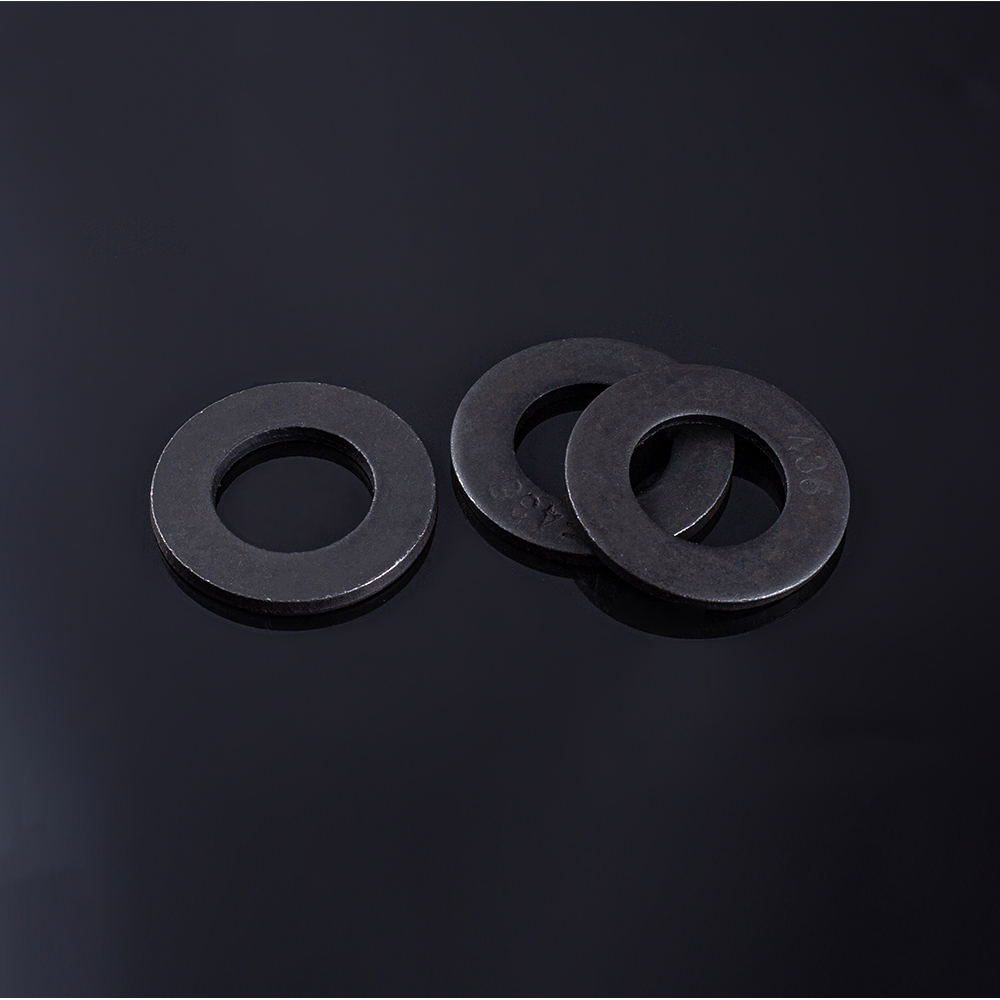
Trattamenti superficiali come zincatura, ossido nero, zincatura a caldo o rivestimenti protettivi specializzati possono migliorare ulteriormente la resistenza alla corrosione e la durata.
In che modo le rondelle metalliche industriali riducono l'allentamento degli elementi di fissaggio?
Una delle cause più comuni di guasto delle apparecchiature è l’allentamento graduale dei bulloni.
I macchinari pesanti sperimentano continuamente:
- Vibrazioni del motore
- Carico d'impatto
- Movimento rotatorio
- Dilatazione termica
- Stress ciclico
Nel tempo, questi fattori riducono il precarico del bullone.
Le rondelle per carichi pesanti progettate correttamente aiutano a mantenere una pressione di contatto costante, riducendo il rilassamento tra le superfici collegate.
Sebbene le rondelle da sole non possano eliminare l'allentamento, migliorano significativamente l'affidabilità complessiva dei sistemi di fissaggio se combinate con un design corretto dei bulloni, una coppia di installazione e pratiche di manutenzione adeguate.
Tipi comuni di rondelle metalliche industriali
Diverse applicazioni ingegneristiche richiedono diversi modelli di rondelle.
| Tipo di rondella | Funzione primaria | Industria tipica |
|---|---|---|
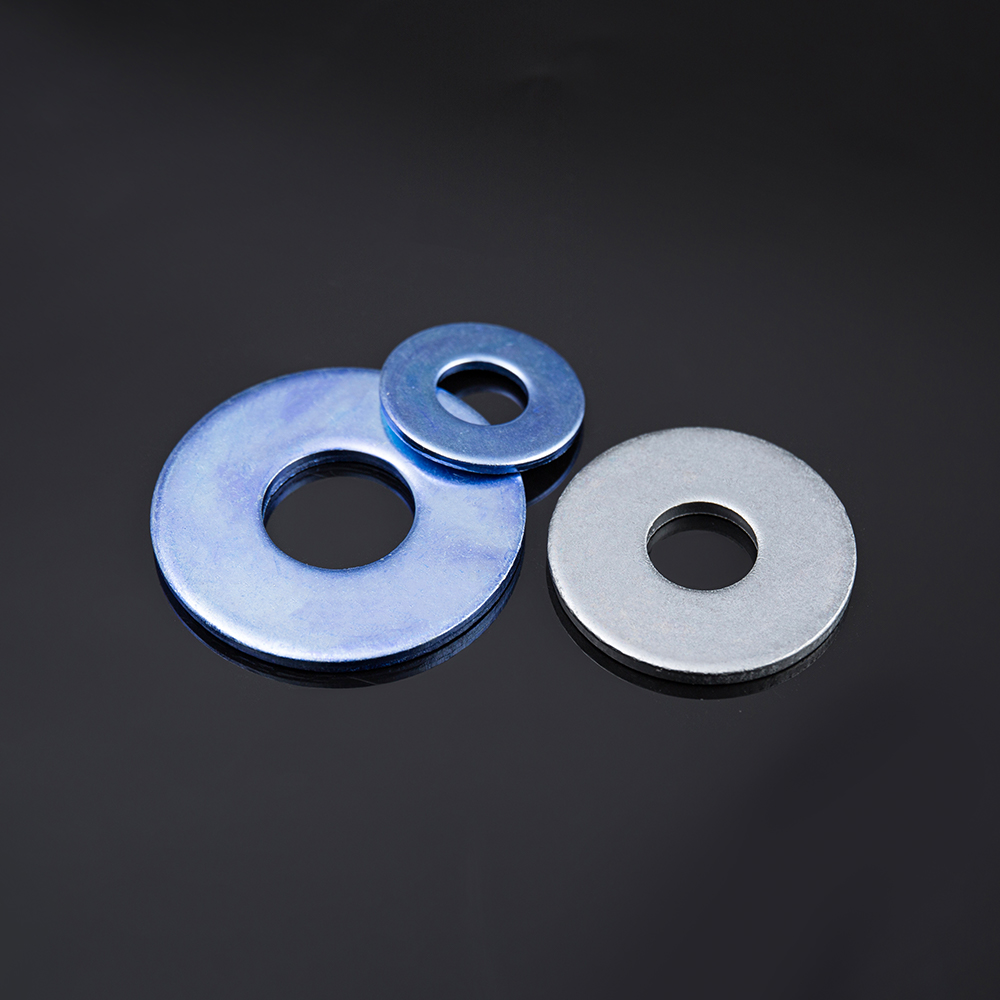
| Rondella piatta | Distribuzione del carico | Macchinari generali |
| Rondella strutturale | Supporto per carichi elevati | Costruzione in acciaio |
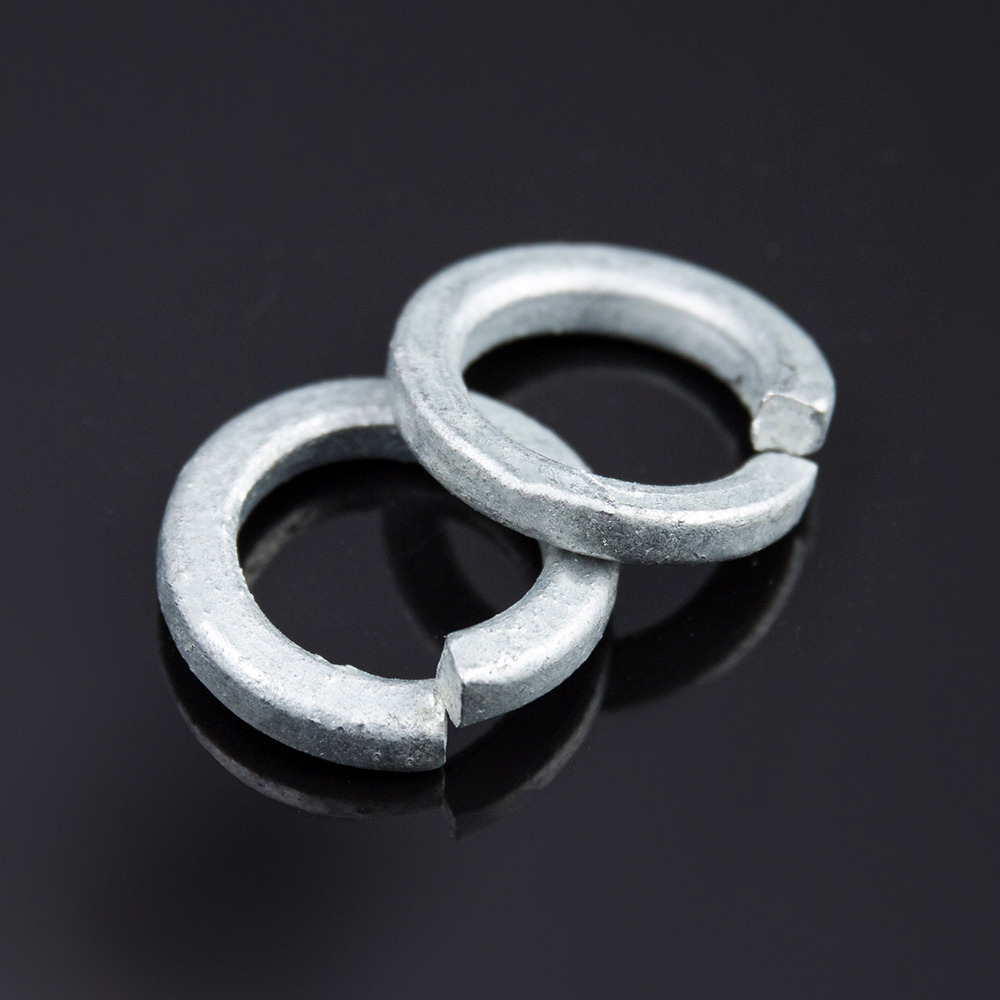
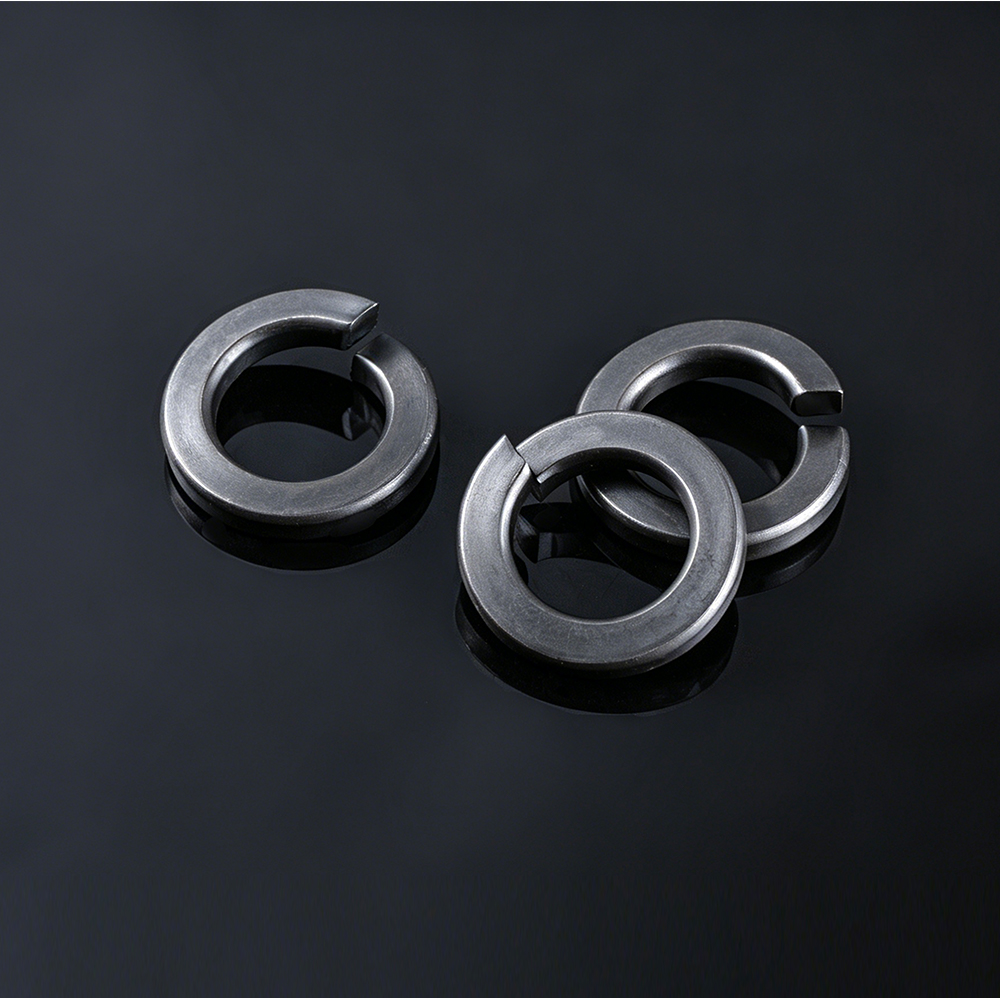
| Rondella elastica | Migliore ritenzione del precarico | Attrezzatura meccanica |
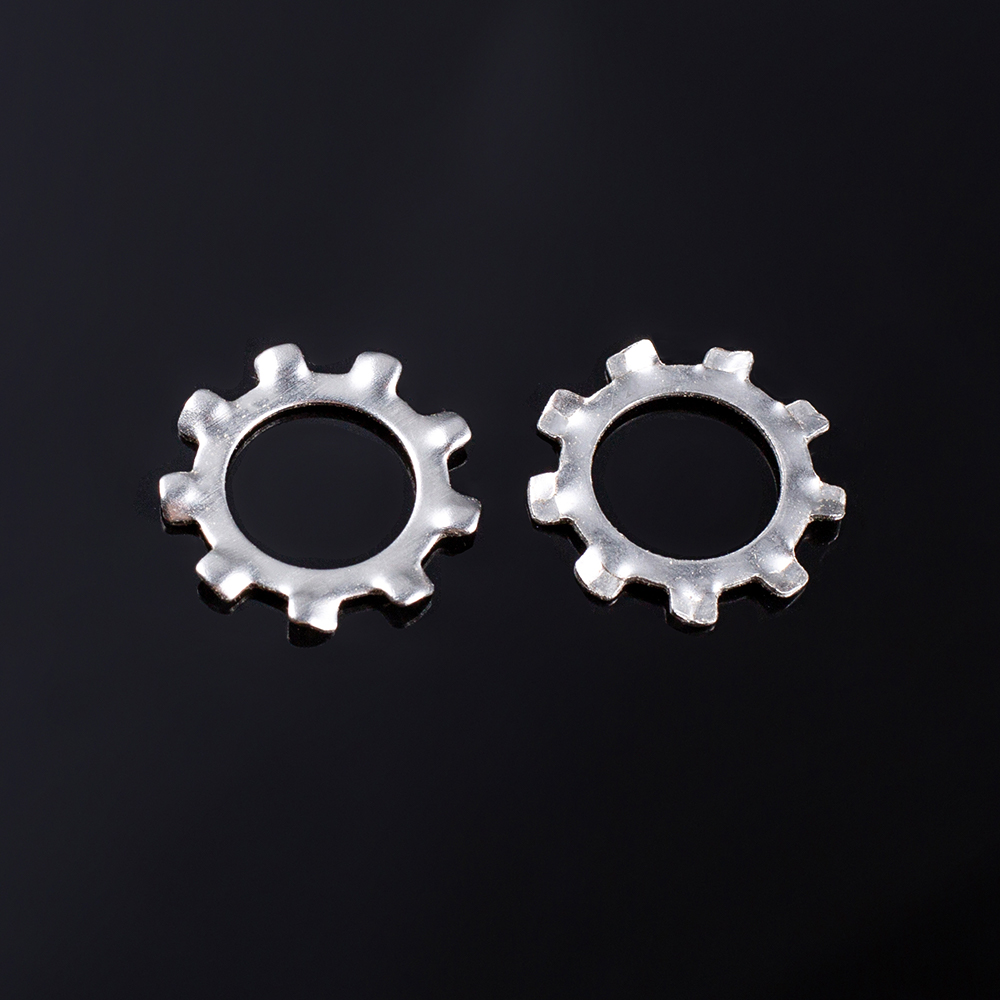
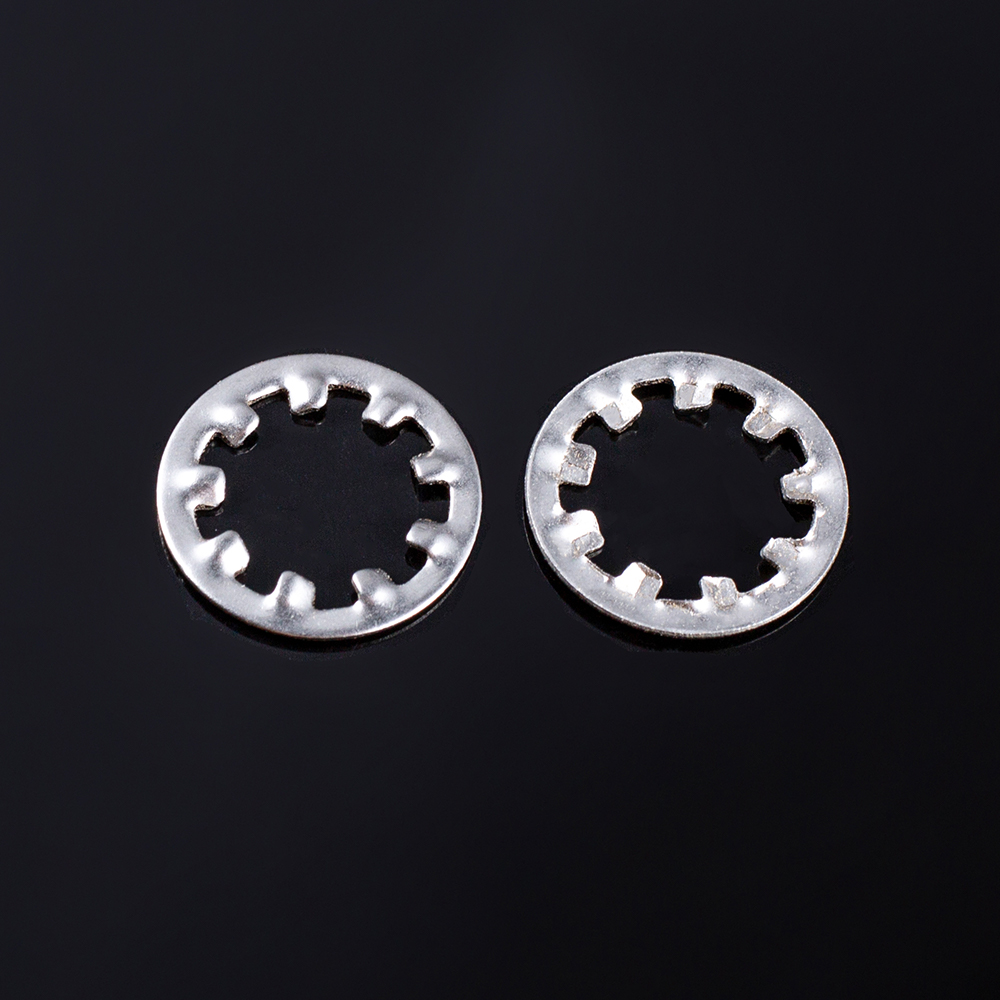
| Rondella di bloccaggio | Maggiore resistenza all'allentamento | Assemblaggio industriale |
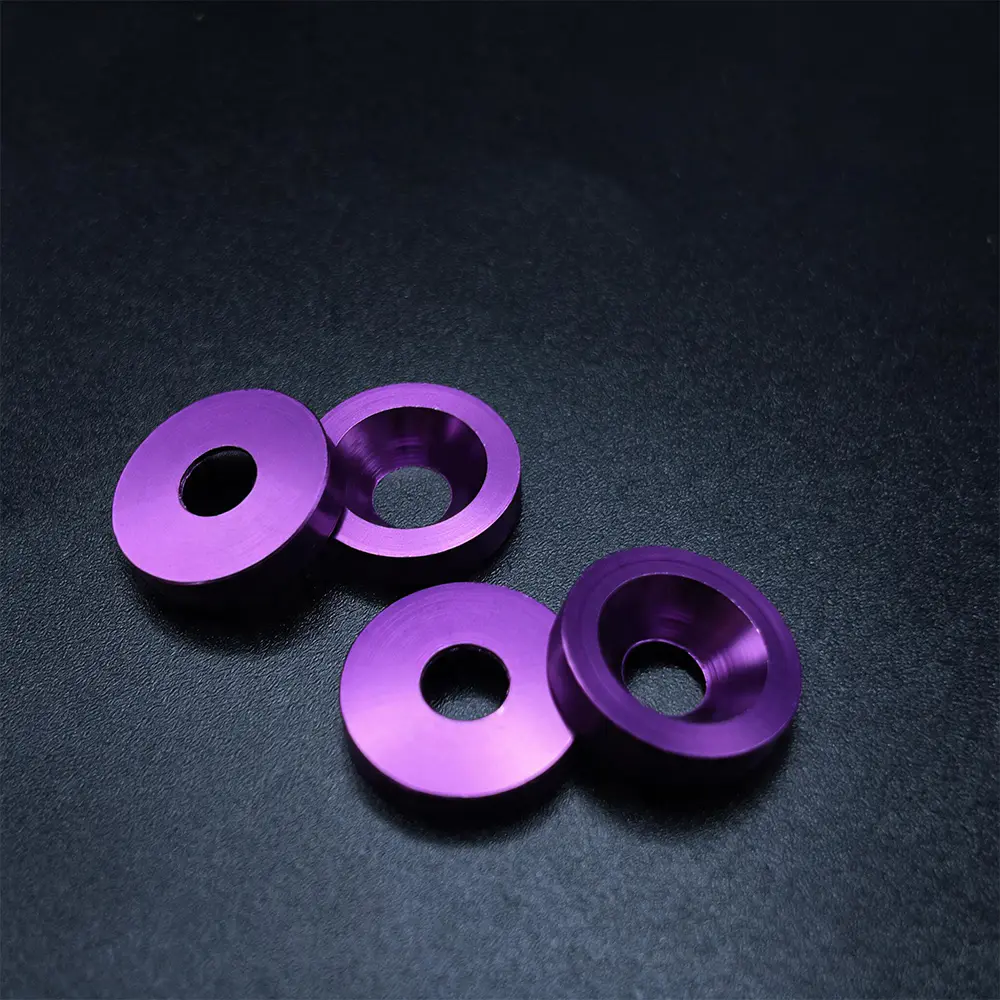
| Rondella del parafango | Ampia superficie d'appoggio | Strutture in lamiera |
La selezione del tipo di lavatrice corretto dipende dalle condizioni di carico, dallo spessore del materiale, dal design del giunto e dall'ambiente di servizio.
La qualità della produzione determina le prestazioni
Le prestazioni di una lavatrice industriale non dipendono solo dal design ma anche dalla precisione costruttiva.
I fattori critici di produzione includono:
- Tolleranze dimensionali accurate
- Spessore uniforme
- Trattamento termico adeguato
- Durezza costante
- Finitura superficiale liscia
- Consistenza materica
La produzione di alta qualità garantisce che le lavatrici funzionino costantemente in condizioni operative impegnative.
Anche piccole variazioni dimensionali possono influenzare la distribuzione del precarico e l’affidabilità del giunto.
Supportare l’affidabilità industriale attraverso la produzione avanzata
Le soluzioni di fissaggio ad alte prestazioni richiedono ingegneria esperta, processi di produzione avanzati e una rigorosa gestione della qualità.
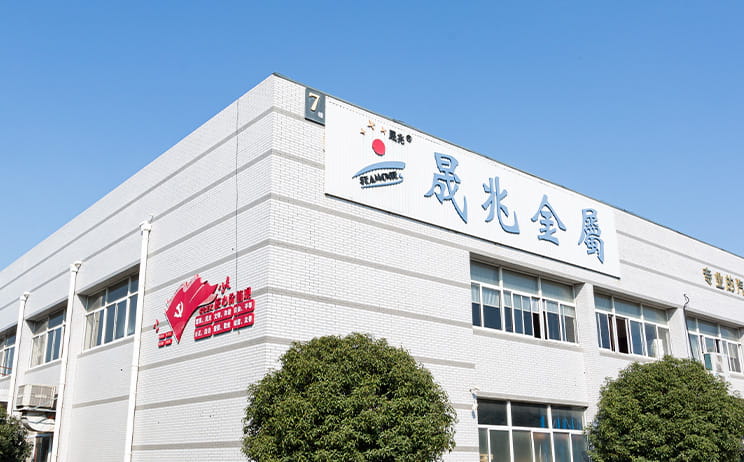
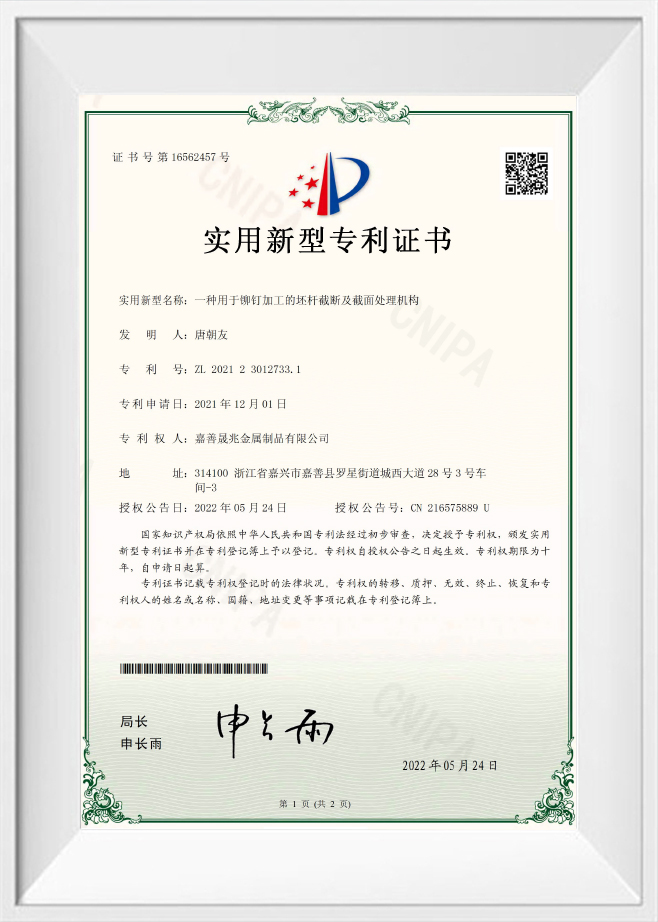
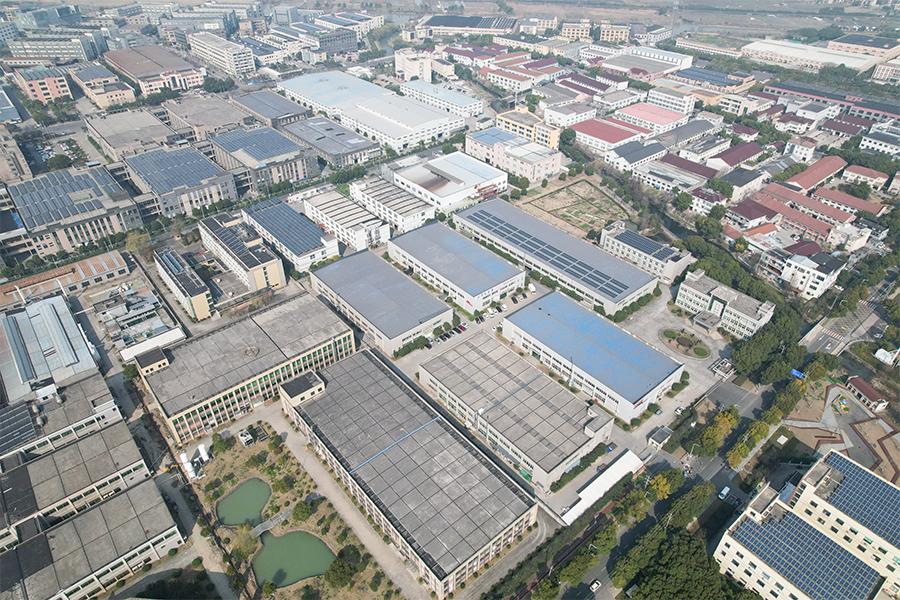
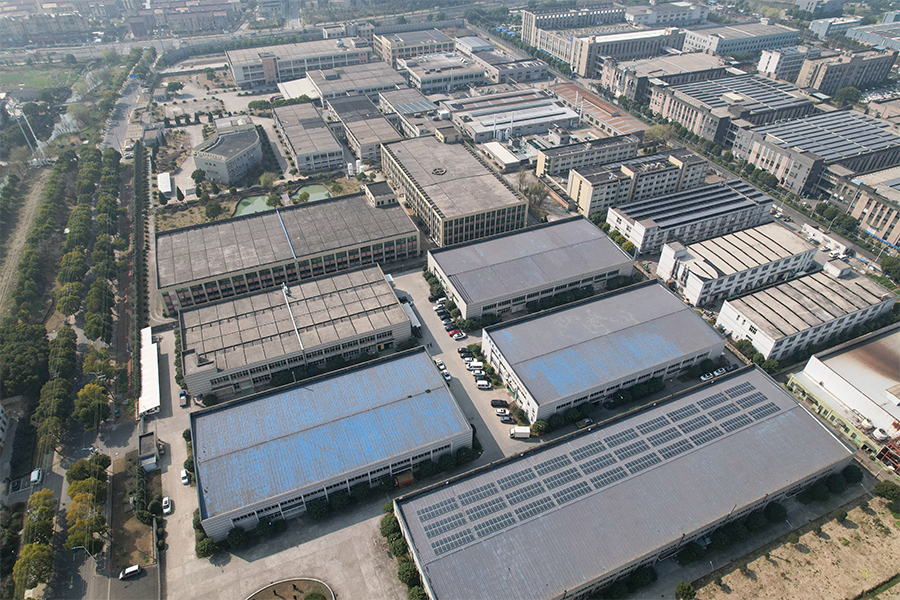
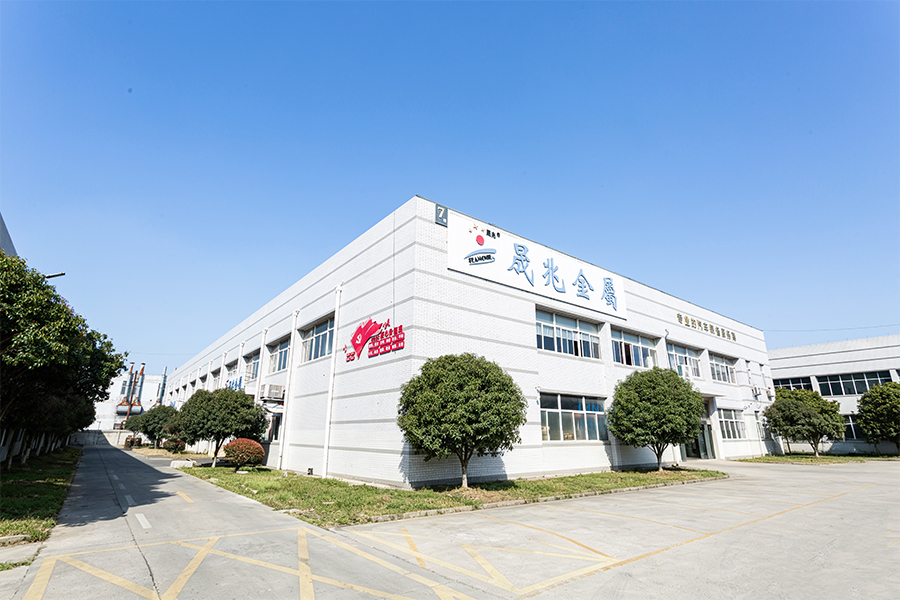
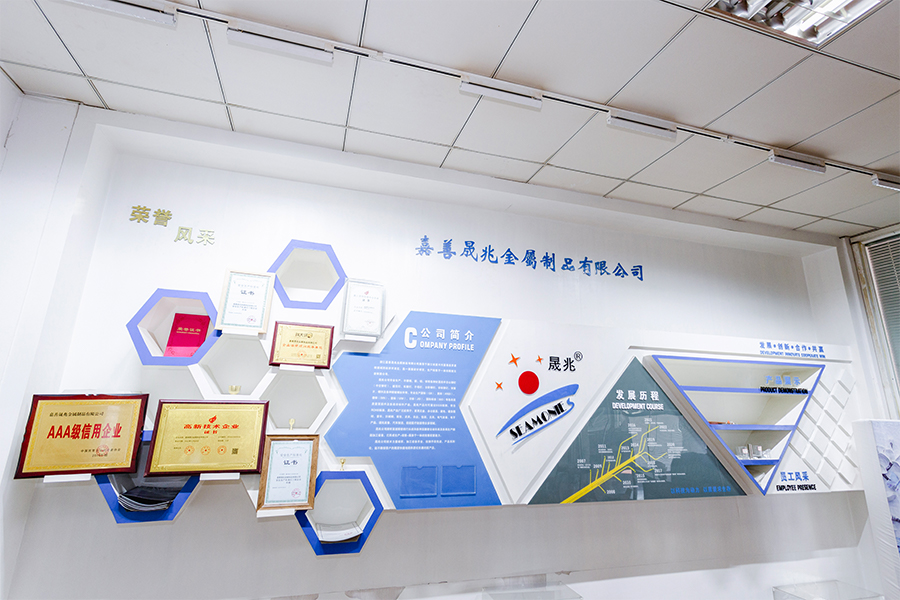
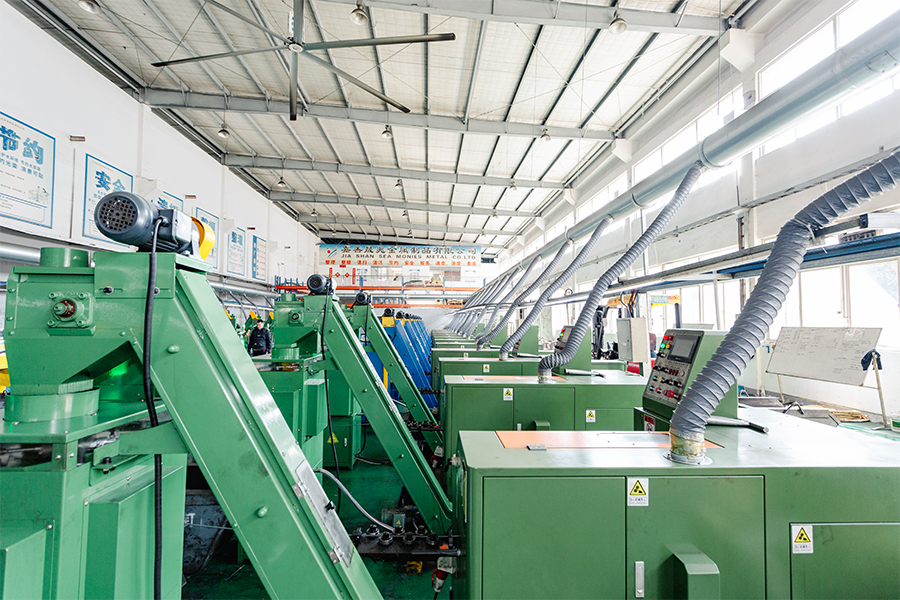
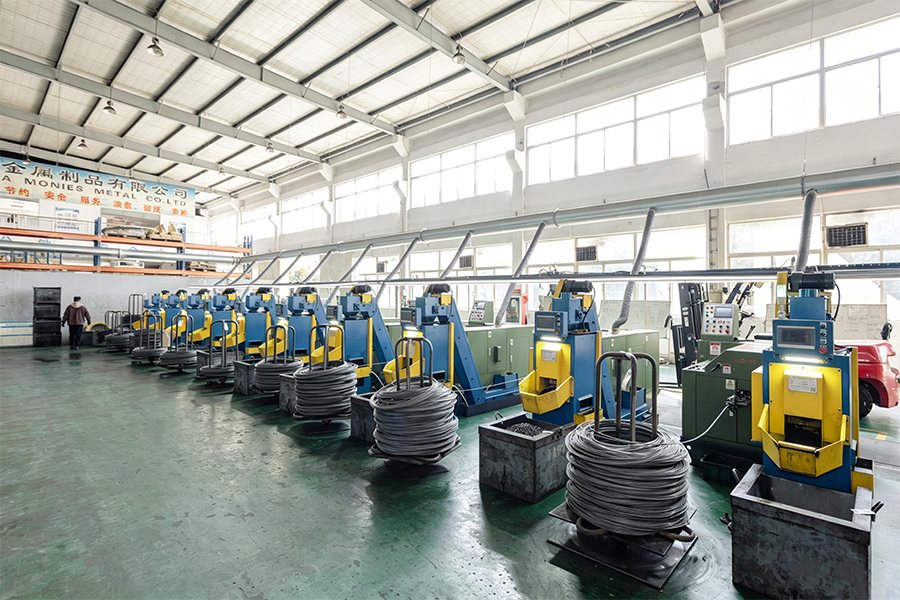
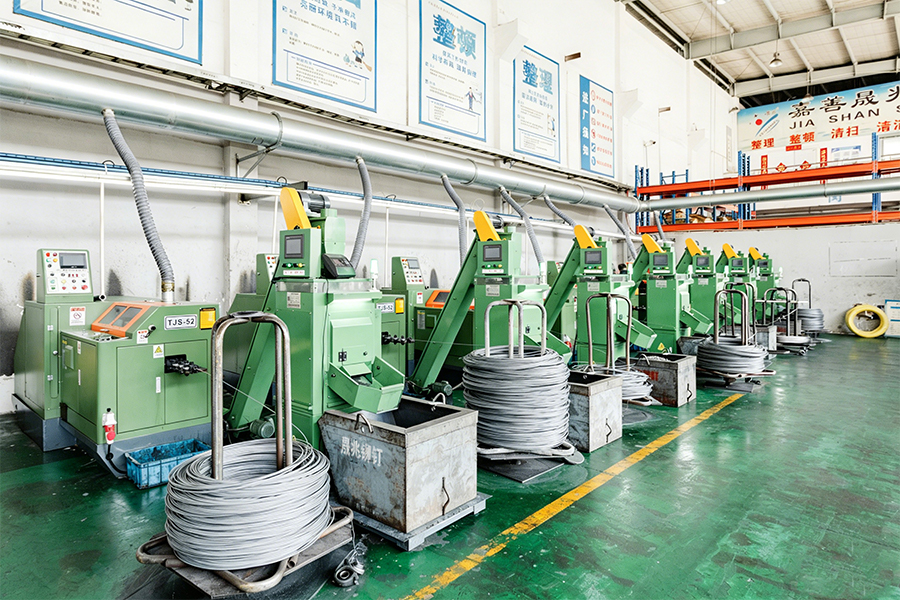
Zhejiang Chance & Union Import and Export Co., Ltd. è un'impresa a conduzione familiare sotto SEA Monies Metal Co., Ltd., che eredita quasi 20 anni di esperienza e patrimonio di qualità nella produzione di metalli. Basandosi su forti risorse produttive e su una catena di fornitura integrata, l'azienda si concentra sulla ricerca, produzione e fornitura globale di prodotti di fissaggio in metallo di precisione per diverse applicazioni industriali.
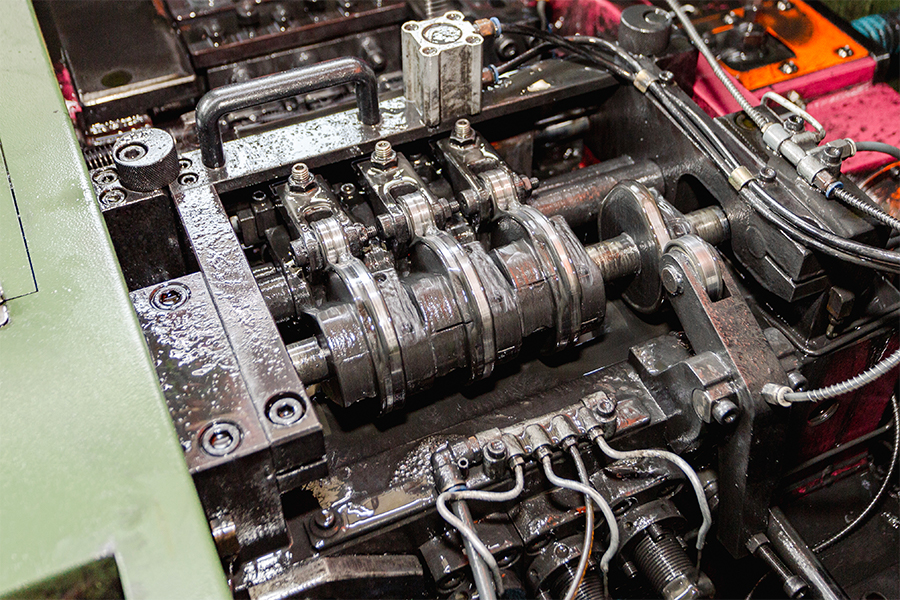
Il suo portafoglio di prodotti comprende rivetti ad alta resistenza, bulloni, dadi, rondelle metalliche industriali, perni, viti e un'ampia gamma di componenti di fissaggio progettati su misura. I materiali disponibili includono acciaio inossidabile, acciaio legato, lega di alluminio, rame e leghe speciali, prodotti mediante intestazione a freddo, forgiatura a caldo e lavorazione CNC per soddisfare diversi requisiti ingegneristici.
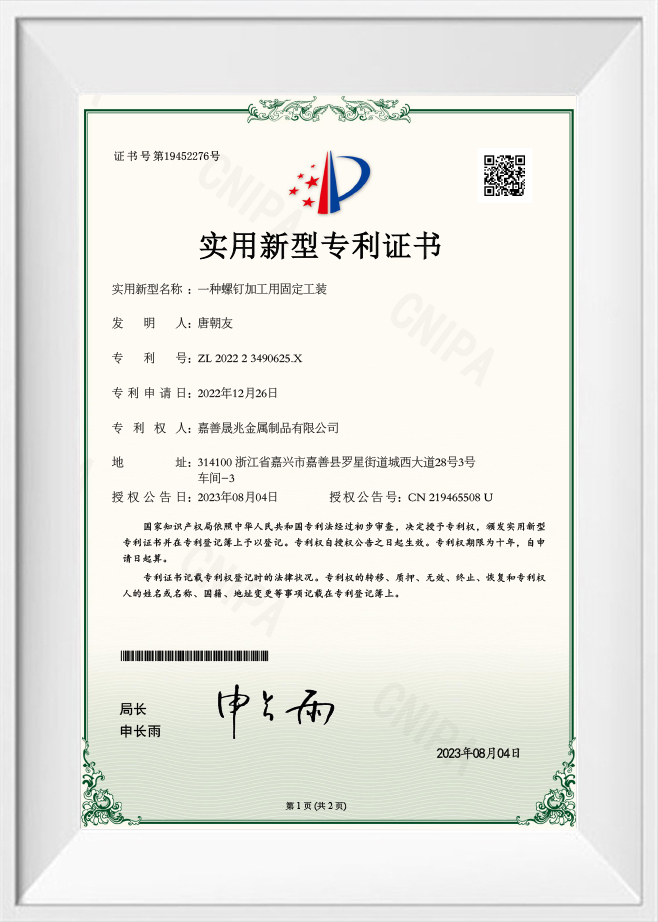
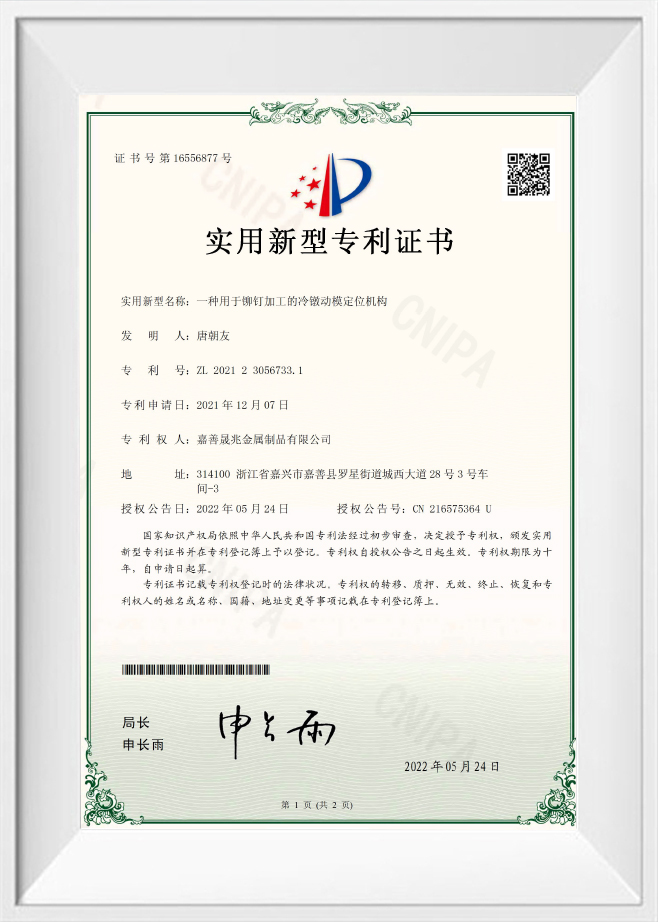
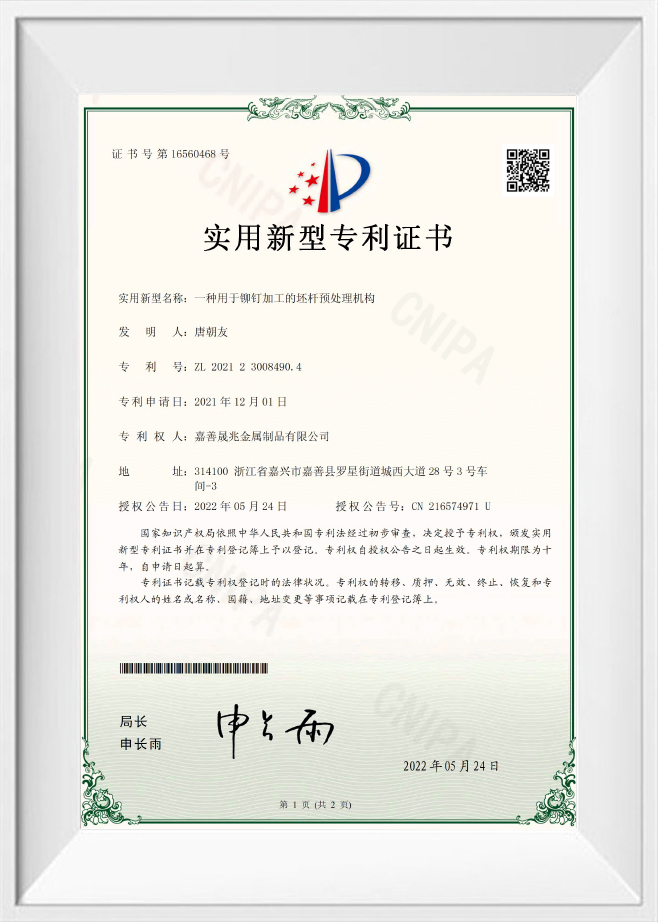
La ricerca e lo sviluppo rimangono un punto di forza importante. Supportato da quasi due decenni di esperienza nel settore, il team di ingegneri ha sviluppato più di 1.000 elementi di fissaggio personalizzati per oltre 200 applicazioni industriali complesse in tutto il mondo, migliorando continuamente le soluzioni di fissaggio e connessione non standard.
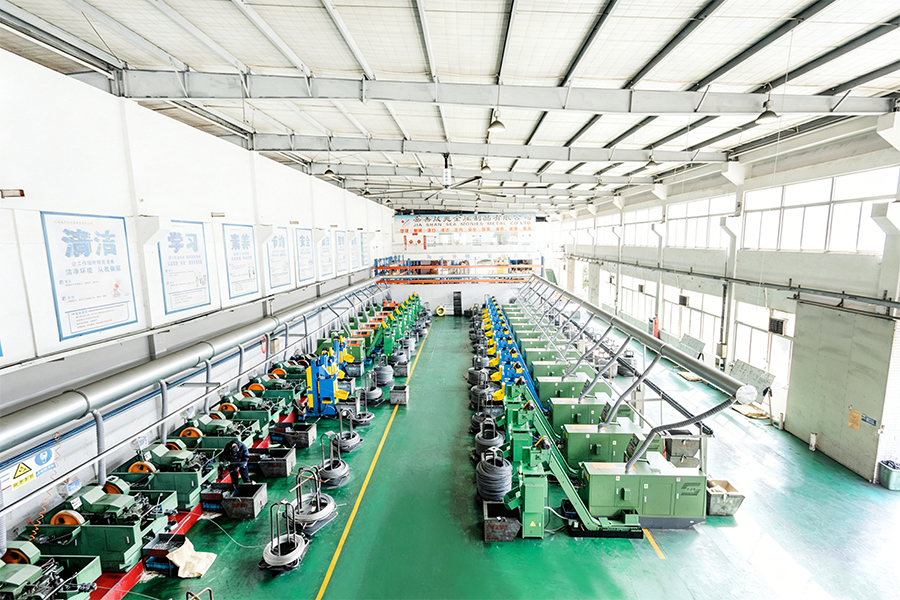
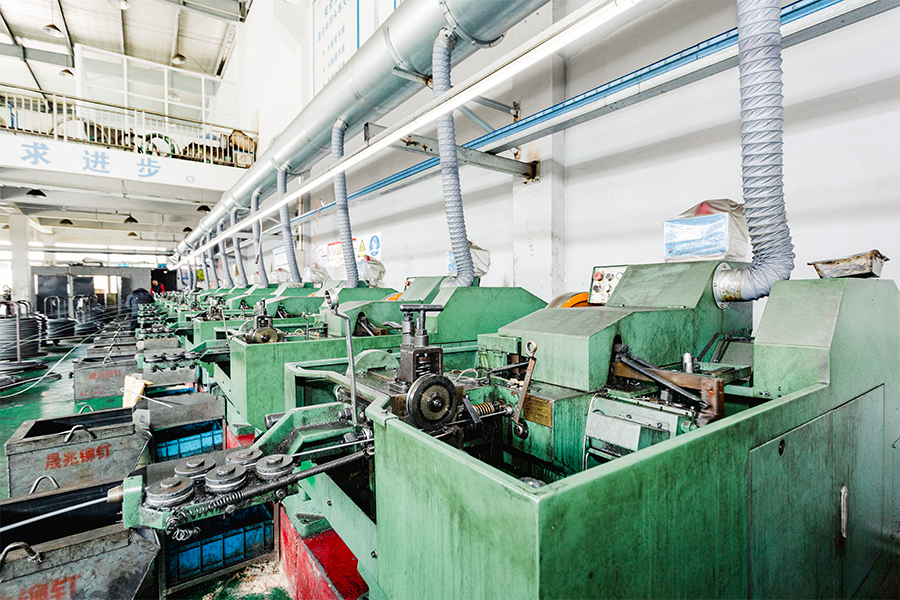
Le capacità produttive sono supportate da un impianto produttivo che copre più di 30.000 metri quadrati e dotato di oltre 80 macchine per stampaggio a freddo multistazione. Le linee di produzione automatizzate e la produzione snella consentono una capacità di produzione mensile stabile, supportando al tempo stesso una consegna efficiente sia per ordini standard che personalizzati.
La garanzia della qualità viene mantenuta attraverso sistemi di selezione ottica, apparecchiature di ispezione di precisione, test in nebbia salina, prove di trazione e procedure complete di controllo qualità condotte in conformità con i requisiti ISO 9001. Questi processi aiutano a garantire una qualità costante del prodotto prima della spedizione.
Per supportare una fornitura globale rapida, l'azienda dispone di un magazzino moderno con oltre 5.000 specifiche di prodotto in stock e una notevole capacità di stoccaggio, consentendo una rapida elaborazione degli ordini e tempi di approvvigionamento più brevi per i clienti industriali.
Scegliere la lavatrice giusta per le attrezzature pesanti
Gli ingegneri dovrebbero valutare diversi fattori prima di selezionare le rondelle.
Considera quanto segue:
- Carico di lavoro massimo
- Condizioni di carico dinamico o statico
- Esposizione alla corrosione ambientale
- Temperatura operativa
- Durezza superficiale dei materiali collegati
- Precarico richiesto
- Compatibilità del grado di bullone
- Norme tecniche applicabili
La scelta delle rondelle basata esclusivamente sulle dimensioni può trascurare i requisiti prestazionali critici.
Una valutazione completa aiuta a migliorare la sicurezza, prolungare la durata utile delle apparecchiature e ridurre i costi di manutenzione.
Conclusione
Sebbene le rondelle siano componenti relativamente piccoli, la loro influenza sulla sicurezza strutturale è sostanziale. Le rondelle metalliche industriali adeguatamente progettate migliorano la distribuzione del carico, proteggono le superfici di contatto, mantengono l'integrità del fissaggio, riducono la concentrazione delle sollecitazioni e migliorano l'affidabilità delle attrezzature pesanti che operano in condizioni difficili.
Combinando la selezione appropriata dei materiali, la produzione di precisione, la progettazione adeguata delle rondelle e un rigoroso controllo di qualità, gli ingegneri possono migliorare significativamente le prestazioni e la durata delle connessioni bullonate.
Domande frequenti
1. A cosa servono le rondelle metalliche industriali?
Le rondelle metalliche industriali distribuiscono la forza di serraggio, proteggono le superfici di contatto, riducono la concentrazione delle sollecitazioni e migliorano la stabilità delle connessioni bullonate nelle apparecchiature industriali.
2. Qual è la differenza tra rondelle per carichi pesanti e rondelle standard?
Le rondelle per carichi pesanti sono progettate per carichi più elevati, maggiore resistenza agli urti e condizioni operative impegnative, rendendole adatte per macchinari pesanti e applicazioni strutturali.
3. Quando utilizzare le rondelle strutturali?
Le rondelle strutturali sono comunemente utilizzate in strutture in acciaio ad alta resistenza, attrezzature pesanti, macchine edili, ponti e altre applicazioni in cui è necessario distribuire in modo sicuro grandi carichi di bloccaggio.
4. Quale materiale è più adatto per le rondelle metalliche industriali?
Il materiale ideale dipende dall'applicazione. L'acciaio inossidabile offre un'eccellente resistenza alla corrosione, l'acciaio legato offre un'elevata resistenza meccanica, mentre l'acciaio al carbonio offre un equilibrio tra resistenza e costo.
5. La corretta scelta della lavatrice può prolungare la vita utile dell'apparecchiatura?
SÌ. La scelta corretta delle rondelle aiuta a mantenere il precarico dei bulloni, riduce l'usura e la fatica, protegge le superfici dei giunti e riduce al minimo la manutenzione, contribuendo a una maggiore durata delle apparecchiature e a una migliore affidabilità strutturale.





