











Bilanciamento dell'elevata resistenza e della resistenza alla frattura ritardata nei bulloni per carichi pesanti: ottimizzazione sinergica del rapporto snervamento/trazione (Y/T) e riduzione dell'area (Z%)
La selezione di bulloni per carichi pesanti per applicazioni critiche - fondazioni di turbine eoliche, attrezzature minerarie e macchinari pesanti - implica la navigazione di un compromesso metallurgico fondamentale: gradi di resistenza più elevati (ad esempio, 10.9, 12.9) offrono una maggiore capacità di carico ma soffrono di una maggiore suscettibilità alla frattura ritardata (infragilimento da idrogeno e fessurazione da tensocorrosione). Due parametri meccanici, il rapporto snervamento a trazione (Y/T) e la riduzione dell'area (Z%), forniscono un quadro quantitativo per bilanciare questi requisiti contrastanti. Questo articolo spiega come interagiscono questi parametri e come ottimizzarli per un servizio affidabile a lungo termine.
1. Definire i due parametri chiave
La tabella seguente definisce il rapporto Y/T e la riduzione dell'area (Z%) e spiega i loro ruoli individuali nelle prestazioni degli elementi di fissaggio.
| Parametro | Definizione | Significato fisico | Impatto sulle prestazioni |
|---|---|---|---|
| Rapporto snervamento/trazione (Y/T = Rp0,2 / Rm) | Rapporto tra carico di snervamento (compensato dello 0,2%) e carico di rottura a trazione | Indica la quantità di deformazione plastica disponibile prima della frattura | Un Y/T inferiore (ad esempio, 0,85–0,90) fornisce maggiore duttilità e migliore resistenza al sovraccarico, ma un minore utilizzo della resistenza. Un Y/T più elevato (≥0,95) massimizza la resistenza ma riduce la duttilità e aumenta il rischio di frattura ritardata. |
| Riduzione dell'area (Z%) | Riduzione percentuale dell'area della sezione trasversale nel punto di frattura durante la prova di trazione | Misura diretta della duttilità del materiale e della resistenza alla strizione/rottura | Uno Z% più elevato (ad esempio, ≥50%) indica tenacità e resistenza superiori all'infragilimento da idrogeno. Valori Z% inferiori (ad esempio, ≤35%) suggeriscono un comportamento fragile e una maggiore sensibilità all'intaglio. |
2. Il conflitto: forza vs. resistenza alla frattura ritardata
La frattura ritardata è una modalità di cedimento dipendente dal tempo causata dalla diffusione dell'idrogeno atomico in aree di elevato stress triassiale, tipicamente alla radice della filettatura o sotto il raccordo della testa. I bulloni ad alta resistenza sono più vulnerabili perché:
- Rapporto Y/T più elevato: Un Y/T elevato (≥0,95) significa che il materiale ha una capacità limitata di ridistribuire le sollecitazioni locali attraverso la deformazione plastica. Ciò porta a picchi di stress più elevati alla radice dell’intaglio, accelerando l’accumulo di idrogeno e l’innesco di cricche.
- Z% inferiore: Una bassa riduzione dell'area (≤40%) riflette una microstruttura fragile con capacità limitata di assorbire energia prima della frattura. Tali materiali sono più sensibili agli agenti stressanti e mostrano tempi di propagazione delle cricche più brevi in caso di esposizione prolungata all'idrogeno.
Nella pratica di progettazione convenzionale, per ottimizzare sia la resistenza che la tenacità è necessario selezionare una combinazione di Y/T e Z% che rifletta le esigenze di servizio e le condizioni ambientali dell'applicazione.
3. Orientamento quantitativo: intervalli Y/T e Z% ottimali
Gli standard di settore e la letteratura di ricerca suggeriscono i seguenti intervalli di linee guida per gli elementi di fissaggio per carichi pesanti in base alla classe di proprietà e alla gravità dell'applicazione:
- Intervallo rapporto Y/T: 0,88 – 0,92 è generalmente raccomandato come obiettivo equilibrato per gli elementi di fissaggio di classe 10,9 in ambienti aggressivi. Valori più elevati (0,95 ) possono essere accettabili per installazioni statiche e ben controllate senza esposizione all'idrogeno, ma non sono consigliati per il servizio esterno o marino.
- Requisito minimo Z%: Per i bulloni per carichi pesanti, in genere viene specificata una riduzione minima dell'area pari a ≥48% (secondo ISO 898‑1 per Grado 10.9). Per gli ambienti in cui la frattura ritardata rappresenta un problema, è preferibile uno Z% ≥ 52%, che offre una maggiore riserva di tenacità.
4. Strategie metallurgiche per ottenere la combinazione ottimale
Il raggiungimento sia di un Y/T moderato (0,88–0,92) che di un Z% elevato (≥50%) richiede un controllo preciso della composizione della lega, del trattamento termico e delle condizioni di lavorazione.
- Design in lega: L'aggiunta di elementi microleganti come vanadio (V), niobio (Nb) o titanio (Ti) favorisce l'affinamento del grano e il rafforzamento delle precipitazioni, che possono aumentare la resistenza alla trazione mantenendo la duttilità. Quantità controllate di nichel (Ni) migliorano inoltre la tenacità abbassando la temperatura di transizione da duttile a fragile.
- Tempra e rinvenimento: La temperatura di rinvenimento è la variabile di lavorazione più critica. Il rinvenimento a temperature più elevate (ad esempio, 500–600°C) per periodi più lunghi riduce il rapporto Y/T e aumenta Z% consentendo alle dislocazioni di riorganizzarsi e ai carburi di sferoidizzare. Tuttavia, ciò potrebbe ridurre leggermente la resistenza alla trazione finale.
- Controllo della dimensione del grano: La dimensione della grana fine e uniforme (ASTM n. 8 o più fine) migliora contemporaneamente sia la resistenza che la tenacità, contribuendo a raggiungere l'equilibrio desiderato senza sacrificare nessuna delle due proprietà.
5. Prospettiva della produzione e della garanzia della qualità
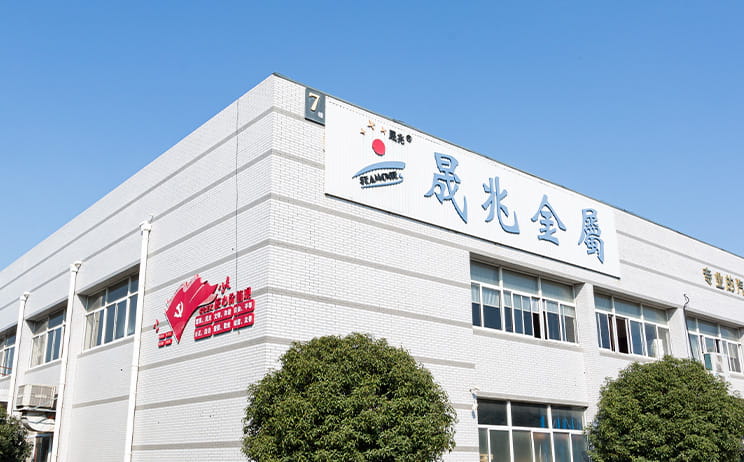
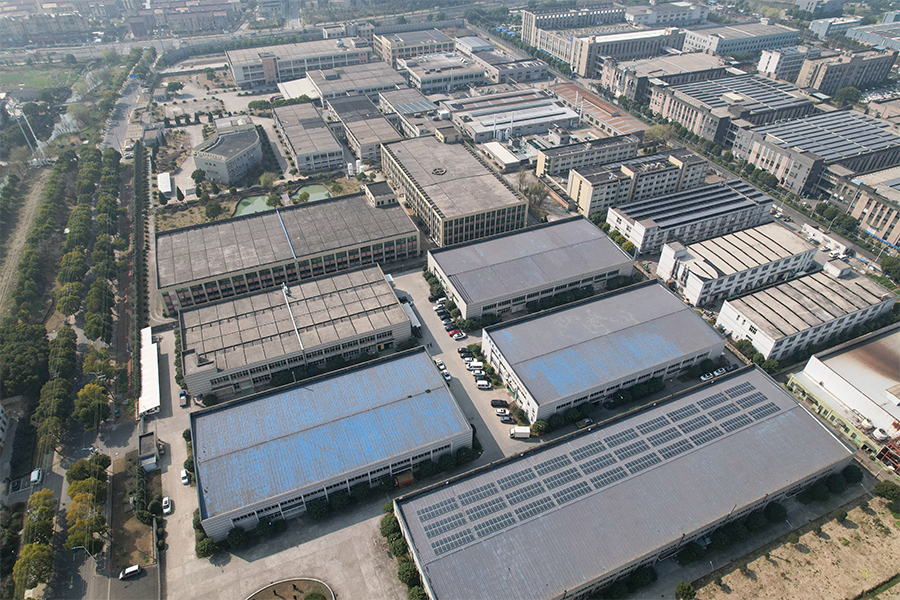
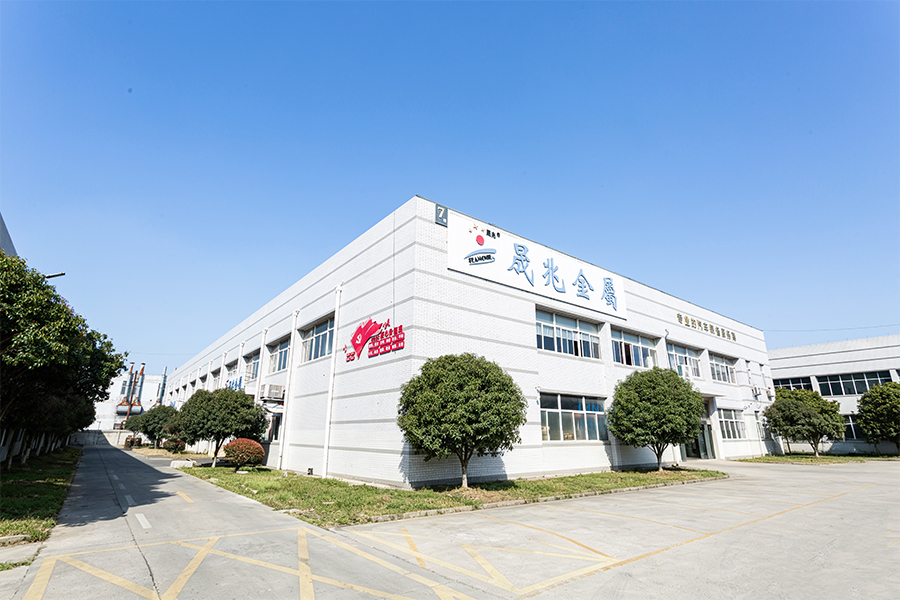
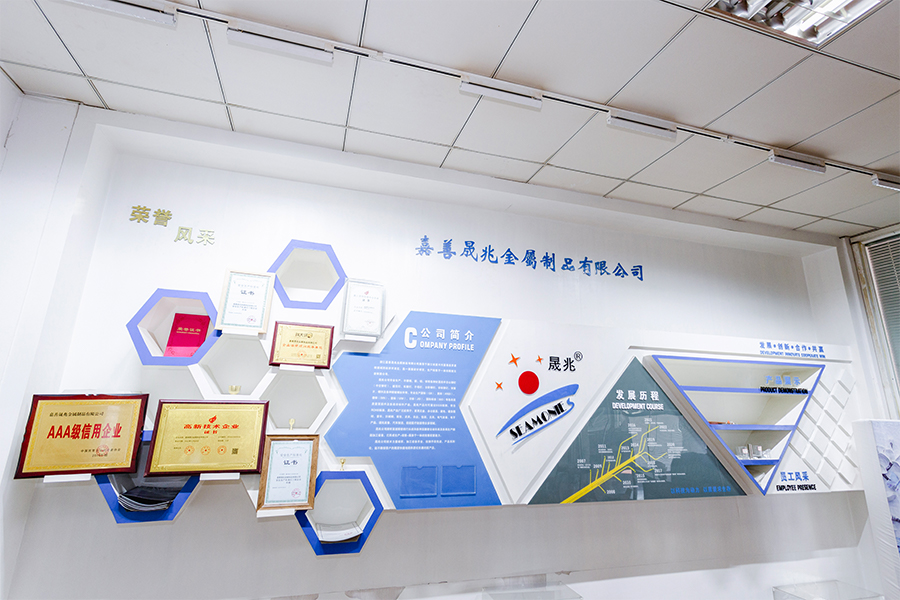
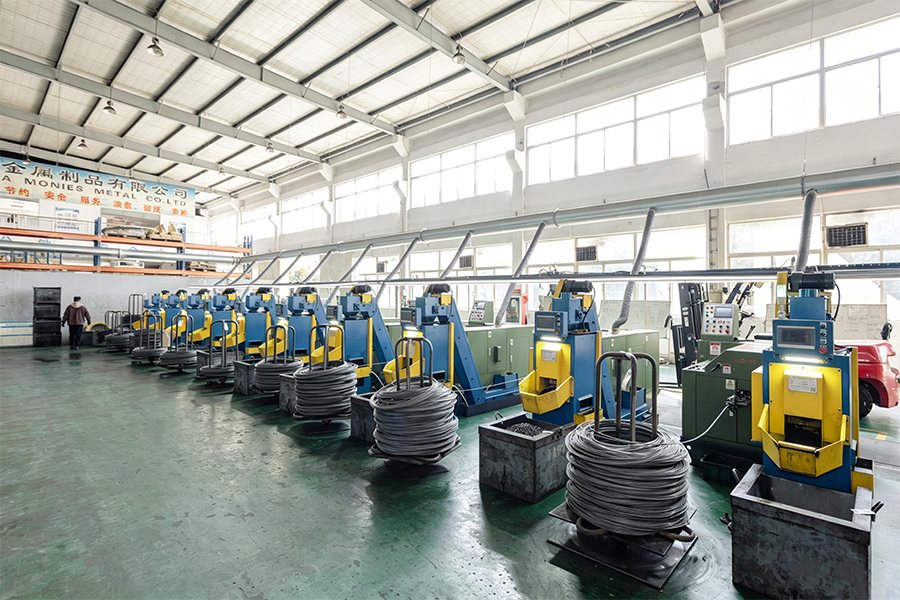
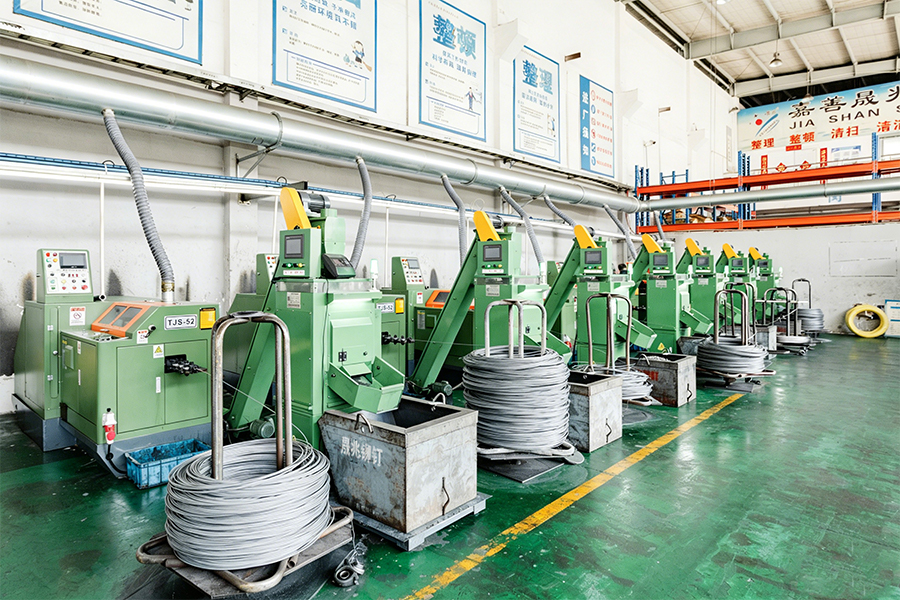
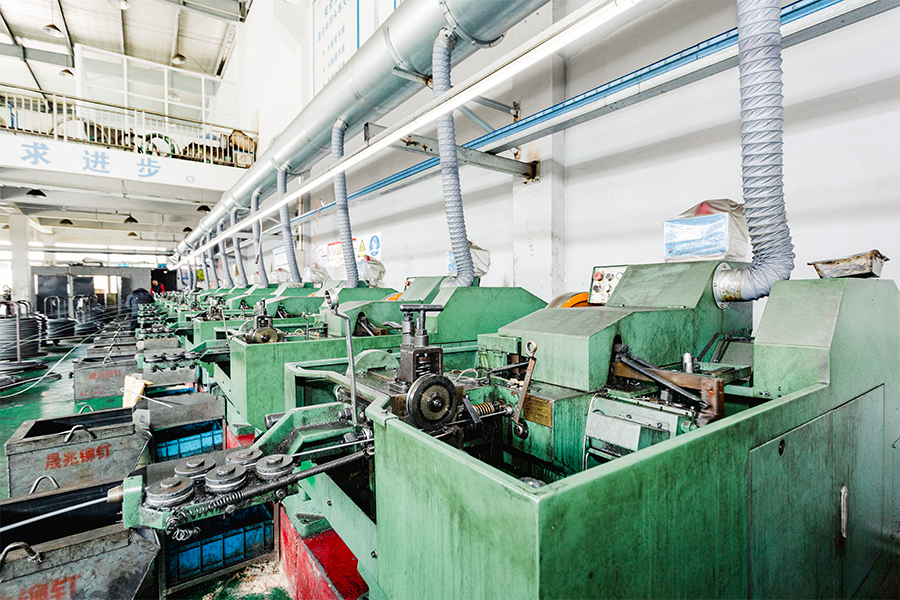
Il raggiungimento costante dei valori Y/T e Z% specificati richiede un controllo rigoroso del processo e una tracciabilità completa. Zhejiang Chance & Union Import and Export Co., Ltd. (Chance & Union) è un'impresa a conduzione familiare sotto SEA Monies Metal Co., Ltd., che eredita 20 anni di esperienza familiare e patrimonio di qualità nella produzione di metalli. Facendo affidamento sulla forte capacità produttiva e sui vantaggi della catena di fornitura di Shengzhao Metal, siamo specializzati nella ricerca e sviluppo, nella produzione e nelle vendite globali di prodotti in metallo di alta qualità. Aderendo alla ricerca della precisione, all'atteggiamento lavorativo rigoroso e all'impegno a lungo termine della famiglia, forniamo prodotti e servizi stabili e affidabili a clienti in tutto il mondo.
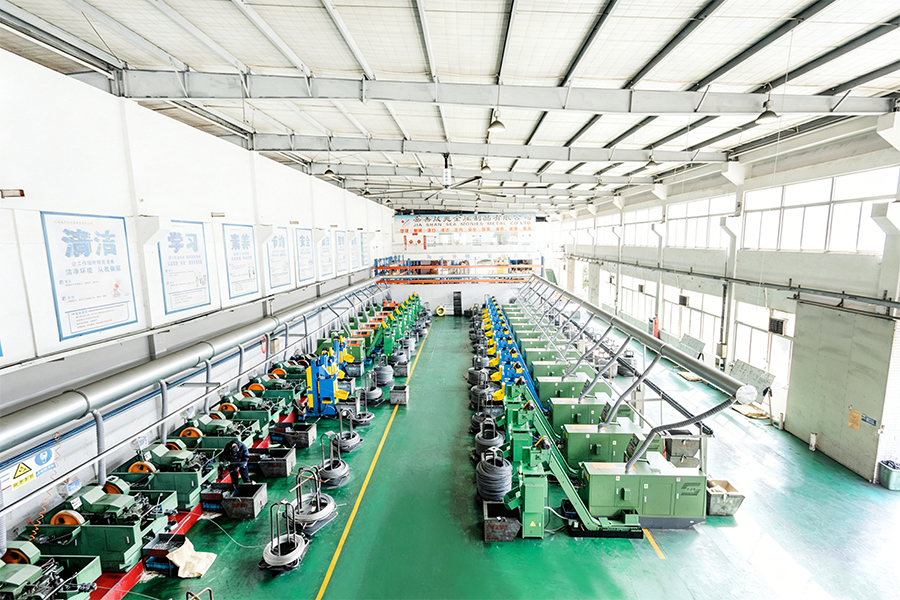
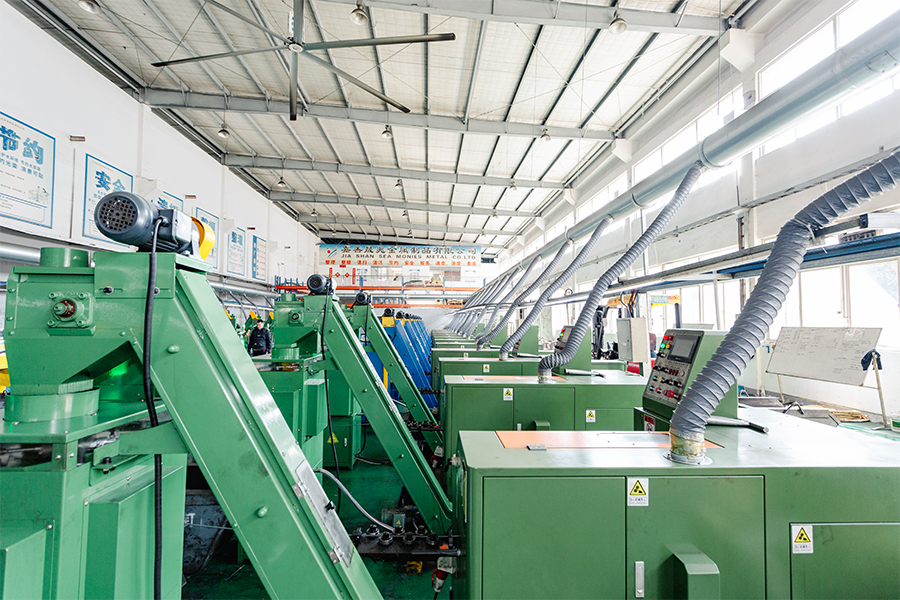
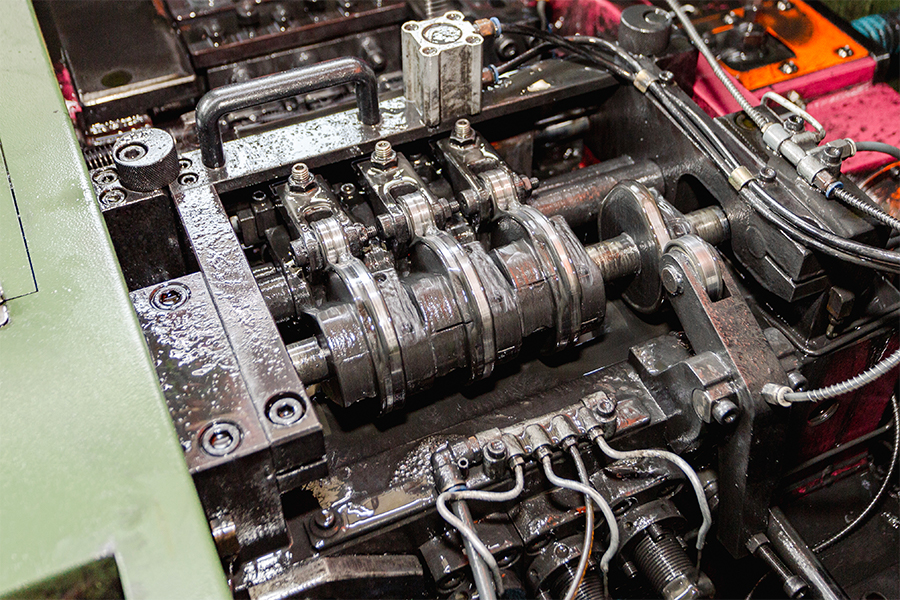
Sfruttando le solide capacità di ricerca e sviluppo e di produzione della fabbrica, siamo specializzati in rivetti, bulloni, dadi, rondelle, perni, viti e varie parti personalizzate non standard ad alta resistenza. La nostra gamma di prodotti copre materiali tra cui acciaio inossidabile, acciaio legato, lega di alluminio, rame e leghe speciali, utilizzando processi come ricalcatura a freddo, forgiatura a caldo e lavorazione CNC. I nostri prodotti vengono esportati in oltre 25 paesi, servendo più di 200 clienti.
Chance & Union si impegna a connettere perfettamente il "Prodotto in Cina" con il mercato internazionale, fornendo ai clienti globali soluzioni di fissaggio complete, dalla ricerca e sviluppo alla produzione di massa attraverso tecnologia professionale e qualità eccezionale. Per i bulloni per carichi pesanti, forniamo report completi sui test meccanici, tra cui il rapporto Y/T e le misurazioni Z% e possiamo personalizzare i parametri del trattamento termico per ottenere l'equilibrio ottimale per le vostre specifiche condizioni di servizio.
6. Domande frequenti (FAQ)
- D1: Un rapporto Y/T più elevato è sempre migliore per i bulloni per carichi pesanti?
R: No. Sebbene un rapporto Y/T più elevato indichi un utilizzo più efficiente della resistenza del materiale, riduce la duttilità e aumenta la sensibilità alla frattura ritardata. Per ambienti dinamici o soggetti a idrogeno, si consiglia un Y/T compreso tra 0,88 e 0,92 combinato con un Z% elevato (≥50%). Zhejiang Chance & Union Import and Export Co., Ltd. (Chance & Union) può regolare il trattamento termico per raggiungere il valore Y/T richiesto mantenendo un'adeguata tenacità. - D2: Come posso verificare lo Z% di un lotto consegnato di bulloni per carichi pesanti?
R: Z% viene misurato tramite un test di trazione standard conforme a ISO 6892‑1 o ASTM E8, in cui la riduzione dell'area della sezione trasversale nel punto di frattura viene calcolata dai diametri originale e finale. Zhejiang Chance & Union Import and Export Co., Ltd. (Chance & Union) fornisce certificati di prova di trazione inclusi i risultati Z% per ogni lotto, garantendo la conformità tracciabile alle vostre specifiche. - D3: Qual è il tipo di materiale preferito per ottenere il bilanciamento ottimale Y/T e Z% nei bulloni di classe 10.9?
R: Gli acciai legati come 35CrMo o 42CrMo, se opportunamente bonificati, possono raggiungere rapporti Y/T di 0,88–0,92 e valori Z% ≥50%. Queste qualità offrono un equilibrio comprovato tra resistenza e tenacità per applicazioni pesanti. Zhejiang Chance & Union Import and Export Co., Ltd. (Chance & Union) utilizza questi e altri gradi di lega brevettati per soddisfare i vostri requisiti specifici.





